Luigi Pirandello's Sei personaggi in cerca d'autore (Six Characters in Search of an Author) is a groundbreaking play that challenges the very foundations of theatre, reality, and the creative process. It's not simply a story; it's a metatheatrical exploration of the relationship between author, characters, and audience, blurring the lines between illusion and reality. This summary delves into the play's key themes and arguments, examining its enduring relevance in the context of contemporary art and philosophy.
The Premise: A Play Interrupted
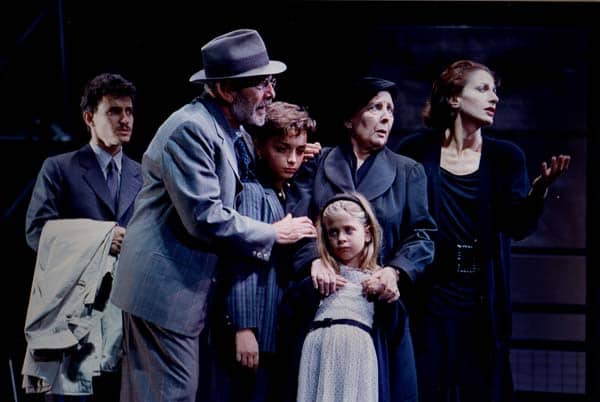
The play opens not with a carefully constructed exposition, but with chaos. A theatrical company is rehearsing a Pirandello play, Il giuoco delle parti, when suddenly six characters burst onto the stage, interrupting the proceedings. These are not actors; they are unfinished characters, abandoned by their author and desperate to have their story told.
The Characters' Desperate Plea
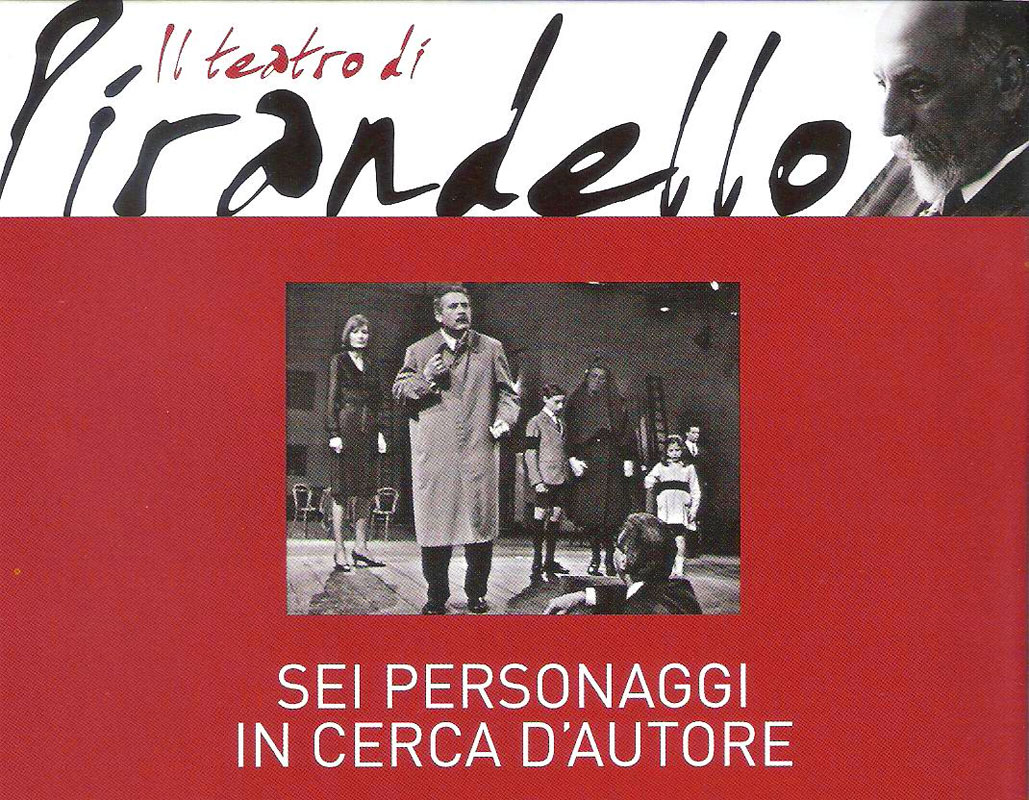
The Characters consist of: the Father, the Mother, the Stepdaughter, the Son, the Boy, and the Little Girl. They represent a family torn apart by complex and often painful relationships. Each character possesses a strong, individual personality and a unique perspective on the events that have shaped their lives. Their plea is simple: they need an author to give them form, to fix their identities, and to allow their drama to unfold.
The Director's Skepticism
The Director, representing the practical, conventional world of theatre, is initially skeptical. He sees the Characters as disruptive and illogical. He struggles to understand their unconventional narrative and their insistence on the "truth" of their experiences. This conflict between the Director's desire for order and the Characters' passionate plea forms the central tension of the play.
Key Arguments and Themes
Sei personaggi in cerca d'autore is not merely a narrative; it’s a complex exploration of several interlocking themes:
The Nature of Reality vs. Illusion
One of the play's central arguments revolves around the elusive nature of reality. Pirandello questions whether there is an objective truth or whether reality is simply a construct of our perceptions. The Characters argue that their experiences are more real than the staged reality of the actors, because their emotions and memories are constantly present and unchanging. The actors, on the other hand, are only pretending to be someone else, their reality fleeting and dependent on performance.

Consider, for example, the scene where the Stepdaughter recounts her traumatic experiences at Madame Pace's brothel. Her raw emotion and vivid descriptions contrast sharply with the actors' attempts to recreate the scene, highlighting the difference between lived experience and artificial representation. This blurring of lines invites the audience to question their own understanding of what constitutes reality.
The Role of the Author and the Act of Creation
The play examines the relationship between the author and their creation. The Characters are incomplete without an author to give them a definitive form. However, they also possess a life of their own, independent of the author's intentions. This creates a power struggle between the creator and the creation. The Characters resent being abandoned and insist on controlling their own narrative, even when it clashes with the Director's attempts to stage their story.
Think about the modern phenomenon of fan fiction. Fans take existing characters and storylines and create their own narratives, often diverging significantly from the original author's intentions. This reflects the Characters' desire for agency and control over their own stories, even in the absence of a definitive authorial voice.
The Subjectivity of Truth
The Characters each have their own perspective on the events that have unfolded, and these perspectives often conflict. The Father, for instance, offers a philosophical justification for his actions, while the Stepdaughter sees him as a manipulative and exploitative figure. The Mother, traumatized by the events, struggles to articulate her own truth. This multiplicity of perspectives highlights the subjectivity of truth and the difficulty of arriving at a single, definitive account of reality.
In legal proceedings, witness testimony often reveals conflicting accounts of the same event. Each witness perceives the situation through their own unique lens, shaped by their experiences, biases, and emotional state. This resonates with Pirandello's exploration of the subjective nature of truth in Sei personaggi in cerca d'autore.
The Impossibility of Representation
The play ultimately suggests the impossibility of perfectly representing reality on stage. The actors, despite their best efforts, can never fully capture the essence of the Characters' experiences. The distance between representation and reality is a fundamental limitation of theatre, and Pirandello uses this limitation to expose the artifice of the dramatic medium.

Consider the challenges of adapting a novel into a film. The film adaptation can never perfectly replicate the reader's experience of the novel, as it inevitably involves choices about what to include, exclude, and emphasize. This inherent limitation reflects Pirandello's argument about the impossibility of perfect representation.
Real-World Examples and Data
The themes explored in Sei personaggi in cerca d'autore continue to resonate in contemporary society. The rise of reality television, for example, raises questions about the authenticity of lived experience and the performative nature of identity. Participants in reality shows are often encouraged to exaggerate their personalities and create drama for the cameras, blurring the lines between reality and entertainment. The proliferation of social media further complicates this issue, as individuals curate their online personas to present a carefully constructed image of themselves to the world.
Furthermore, the play's exploration of the subjective nature of truth has implications for our understanding of historical narratives and political discourse. Different groups and individuals often interpret historical events in fundamentally different ways, reflecting their own perspectives and biases. The spread of misinformation and "fake news" highlights the challenge of discerning truth from falsehood in a world saturated with competing narratives.
Studies on media literacy demonstrate that critical thinking skills are essential for navigating the complexities of the modern information landscape. The ability to analyze sources, identify bias, and evaluate evidence is crucial for forming informed opinions and resisting manipulation. Pirandello's play serves as a powerful reminder of the importance of questioning assumptions and considering multiple perspectives when attempting to understand the world around us.
Conclusion: A Timeless Exploration of Existence
Sei personaggi in cerca d'autore is more than just a play; it is a philosophical inquiry into the nature of reality, the role of the author, and the limits of representation. By blurring the lines between illusion and reality, Pirandello challenges us to question our assumptions about the world and to confront the complexities of human existence. The play's enduring relevance lies in its ability to provoke thought, spark debate, and encourage us to engage critically with the stories we tell ourselves and each other.
Consider the play a call to action: to engage with art not passively, but actively. To question the narratives we are presented with, to consider the perspectives of others, and to recognize the inherent limitations of representation. By doing so, we can become more discerning consumers of information and more thoughtful participants in the ongoing construction of reality.
Ultimately, Pirandello invites us to embrace the ambiguity and uncertainty of life, to acknowledge the multiplicity of perspectives, and to appreciate the power of storytelling to shape our understanding of the world.