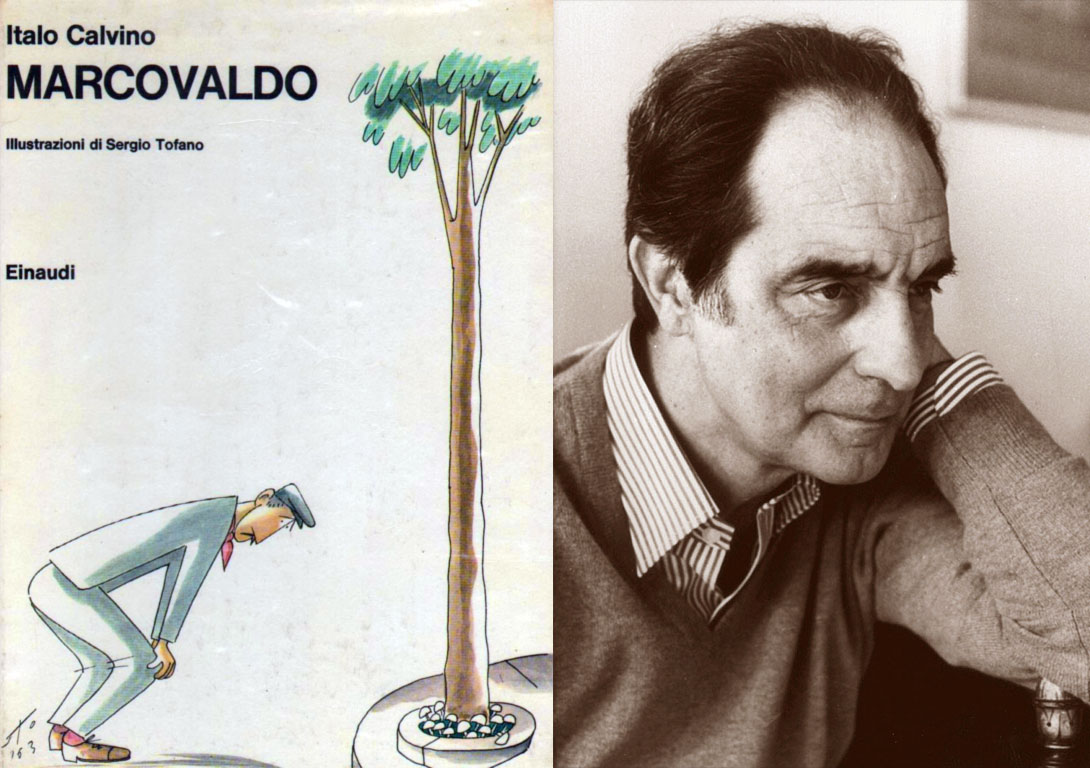
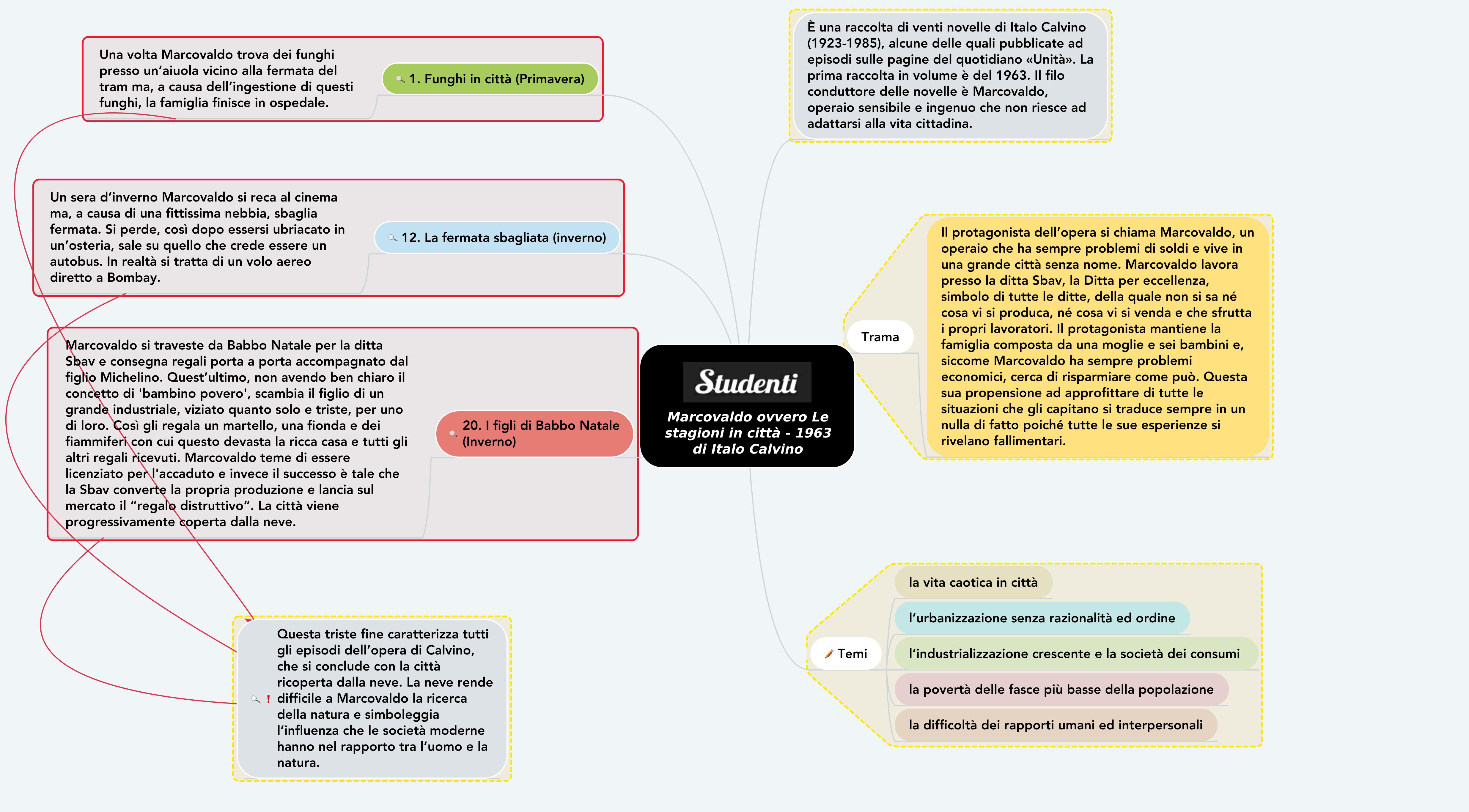
Italo Calvino's Marcovaldo, ovvero Le stagioni in città, published in 1963, is a collection of twenty short stories, each depicting the life of Marcovaldo, a simple-minded and perpetually unlucky manual laborer, and his often comically disastrous attempts to find a slice of nature within the industrialized, urban landscape. This summary will explore the key themes and narrative strategies that define Calvino's masterpiece, highlighting the underlying critique of modern society and the enduring human desire for connection with the natural world, even in its most artificial and compromised forms. Marcovaldo is not just a character; he represents a broader condition – the alienated worker grappling with the complexities and contradictions of the post-war Italian economic boom.
Marcovaldo: Un Eroe Involontario della Natura Urbana
Marcovaldo is, at his core, a sympathetic figure. He's a blue-collar worker, a simple man with a yearning for the natural world that surrounds him, even if that world is increasingly dominated by concrete, asphalt, and neon signs. This yearning, however, often leads him into situations of absurdity and misadventure. He's a kind of anti-hero, not particularly bright or resourceful, but driven by an innate, almost childlike, desire to experience nature in the sterile environment of the city.
La Ricerca della Natura Perduta
The central theme revolves around Marcovaldo's relentless, and often misguided, search for nature within the urban setting. He sees mushrooms sprouting in unexpected places, interprets signs of animal life, and attempts to cultivate small pockets of green within the grey cityscape. This quest is frequently portrayed as a collision between the natural and the artificial, revealing the profound disconnect between modern urban life and the primal human need for connection with the environment.
Consider, for example, the story "Funghi in città" ("Mushrooms in the City"), where Marcovaldo discovers a patch of mushrooms growing in a city park. His excitement and eagerness to gather them quickly spread among his family and neighbors, leading to a communal harvesting frenzy. However, the mushrooms turn out to be poisonous, resulting in widespread illness and exposing the dangers of misinterpreting nature within a polluted urban context. This episode beautifully illustrates the inherent risks in seeking authentic natural experiences within an environment that is fundamentally altered and often toxic.
L'Alienazione del Lavoro Moderno
Marcovaldo's struggles are not solely rooted in his yearning for nature; they are also a reflection of the alienating nature of modern industrial labor. He works as a package handler, a job that is repetitive, dehumanizing, and provides little opportunity for creative expression or personal fulfillment. His attempts to find solace in nature can be seen as a form of rebellion against the monotonous routine of his work life, a desperate attempt to reclaim a sense of agency and connection in a world that increasingly treats him as a mere cog in a machine.

The story "La città smarrita nella neve" ("The City Lost in the Snow") exemplifies this alienation. A heavy snowfall transforms the familiar urban landscape into a pristine, white expanse, briefly obscuring the usual signs of industrial activity. Marcovaldo, for a moment, experiences a sense of liberation and wonder, as if the city has been cleansed and reborn. However, this illusion is quickly shattered as the snow melts, revealing the grime and pollution beneath, a stark reminder of the city's inherent artificiality and the limitations of Marcovaldo's fleeting escape.
Il Contrasto tra Desiderio e Realta
A key element of Calvino's narrative is the constant contrast between Marcovaldo's idealistic desires and the harsh realities of urban life. He approaches each encounter with nature with optimism and enthusiasm, but his hopes are inevitably dashed by the unforeseen consequences of his actions. This disparity between aspiration and outcome generates much of the humor and pathos that characterize the stories. It also underscores the difficulty of achieving genuine connection with nature in a society that prioritizes progress, efficiency, and consumption over environmental harmony.
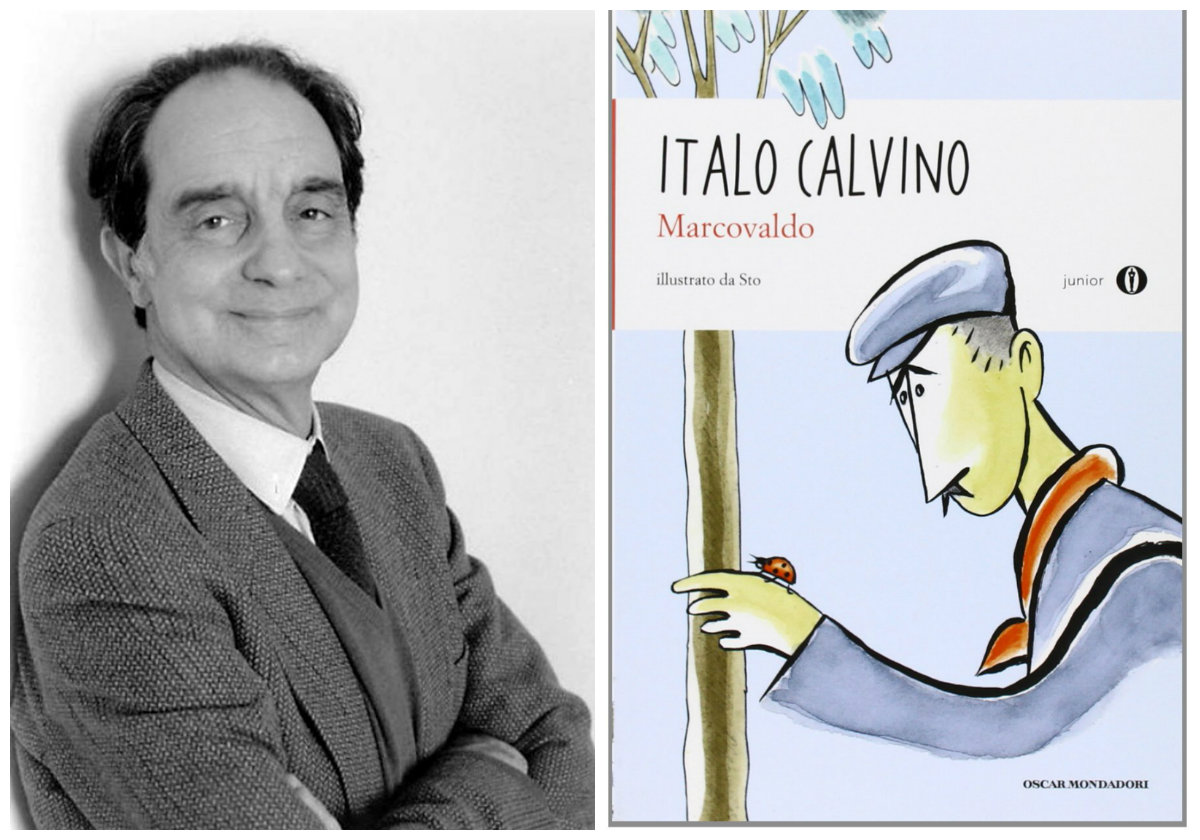
Think of "Il giardino ostinato" ("The Stubborn Garden"), where Marcovaldo attempts to create a vegetable garden on a small patch of land behind his apartment building. Despite his best efforts, his crops are constantly threatened by pollution, vandalism, and the interference of his neighbors. The garden, which represents Marcovaldo's hope for self-sufficiency and a return to a simpler way of life, ultimately becomes a symbol of the futility of resisting the forces of urbanization. The story highlights the inherent struggle of maintaining a connection to nature in an environment hostile to its presence.
La Critica al Consumismo
Marcovaldo subtly criticizes the rampant consumerism that defined post-war Italy. The city is depicted as a place of endless advertising, disposable products, and a relentless pursuit of material goods. Marcovaldo, in his naivety, is often drawn into this consumerist trap, lured by the promise of happiness and fulfillment that these products supposedly offer. However, his attempts to acquire and utilize these goods invariably lead to disappointment, highlighting the emptiness and superficiality of consumer culture.

The story "Santa's Children" ("I figli di Babbo Natale") satirizes the commercialization of Christmas. Marcovaldo gets a job dressing up as Santa Claus in a department store, handing out free samples of a new product. He becomes overwhelmed by the sheer volume of consumerism and the insatiable desires of the children, ultimately realizing the emptiness of the holiday's commercial spectacle. This episode exposes the ways in which consumerism can distort genuine human connection and replace it with a shallow pursuit of material possessions.
Real-World Relevance
Marcovaldo remains remarkably relevant today. The themes of environmental degradation, urban alienation, and the critique of consumerism resonate even more strongly in the 21st century, as cities continue to expand and the impact of human activity on the planet becomes increasingly apparent. Marcovaldo's struggles to find meaning and connection in a rapidly changing world mirror the anxieties and uncertainties that many people experience today.
Consider the current debates surrounding urban green spaces. Many cities are now actively promoting the creation of parks, community gardens, and other green initiatives to improve the quality of life for residents and mitigate the negative effects of urbanization. These efforts can be seen as a contemporary response to the very issues that Calvino explored in Marcovaldo, highlighting the enduring human need for connection with nature, even in the most urbanized environments. Furthermore, concerns about sustainable consumption and ethical sourcing directly echo Calvino's critique of materialism. The stories serve as a cautionary tale about the potential consequences of unchecked consumerism and the importance of prioritizing environmental sustainability.
Conclusion
Marcovaldo is more than just a collection of amusing anecdotes; it is a profound and insightful commentary on the human condition in the modern world. Through the character of Marcovaldo, Calvino explores the complex relationship between humanity and nature, the alienating effects of industrial labor, and the seductive allure of consumerism. The stories are a reminder that even in the most artificial and dehumanizing environments, the yearning for nature and connection remains a fundamental part of the human experience.
As readers, we are invited to reflect on our own relationship with the natural world and the ways in which we can create more sustainable and meaningful lives within the urban landscape. Perhaps, like Marcovaldo, we can all find moments of wonder and connection in the unexpected corners of our cities, and strive to create a world where nature and humanity can coexist in harmony. The enduring power of Marcovaldo lies in its ability to inspire us to reimagine our relationship with the environment and to seek out beauty and meaning in the everyday.