
Ah, the age-old question, isn't it? The eternal rivalry that's inspired countless cartoons and, let's be honest, probably a few scratched noses in real life. We're talking about dogs and cats, of course. And while many of us dream of a perfectly harmonious household where Fido and Whiskers share sunbeams and catnip toys, the reality can sometimes be a little… noisier.
Today, we're diving headfirst into the world of dog breeds that, shall we say, have a slightly less than enthusiastic relationship with our feline friends. Don't worry, it's not about hate in the dramatic, movie-villain sense. Think of it more like a… well-practiced dance of avoidance, or perhaps a vigorous game of "you chase me, I'll pretend to be asleep."
Because let's face it, who hasn't seen that look? That particular glint in a dog's eye when a cat saunters by, as if to say, "Oh, you're here again? How… predictable." It’s like when your neighbour’s kid rides their scooter past your window for the tenth time that day. You don't hate them, but… well, you’re not exactly inviting them for tea.
So, grab your favourite mug of something warm, settle in, and let's explore some of the breeds that might make your resident cat do a strategic disappearing act. And remember, every dog is an individual, and with the right introductions and training, even the most "anti-cat" breeds can learn to coexist. This is all in good fun, of course!
I Cacciatori Nato: I Segugi e i Terrier
When you think about breeds with a high prey drive, a few names immediately spring to mind. And guess what? Those same instincts that made them excellent hunters of rabbits and squirrels can sometimes extend to… well, anything that moves with a certain feline grace.
Let's start with the Beagle. These guys are all about the nose. Their world is a symphony of smells, and a scurrying cat can be a particularly enticing note in that symphony. Imagine a Beagle on a scent trail. It's like a detective with a superpower for sniffing out trouble (or, in this case, a fluffy tail disappearing around the corner). A cat's quick movements? For a Beagle, it's practically an engraved invitation to a game of "follow the leader," even if the leader is utterly uninterested in playing.
And then there are the Dachshunds. The "wiener dogs." Their original purpose was to go into badger dens. Think about that for a second. They were bred to be brave, persistent, and to go after things that were much bigger and grumpier than they were. So, a cat, with its independent streak and ability to dart up high? It’s like a miniature, furry challenge. A Dachshund might not be able to climb curtains, but oh, the determined barking and digging paws that might ensue when a cat is perceived as "invading their territory."
Moving on to the Terrier group. These guys are practically pocket-sized dynamos of energy and tenacity. Breeds like the Jack Russell Terrier or the Scottish Terrier were bred to hunt vermin. They’re tenacious, fearless, and have a strong instinct to chase. A cat's sudden dash or playful pounce? It can trigger that deep-seated "gotta catch it!" instinct. It’s not personal, it’s just… programming. They see something small and fast, and their brain goes, "ALERT! CHASE PROTOCOL INITIATED!"
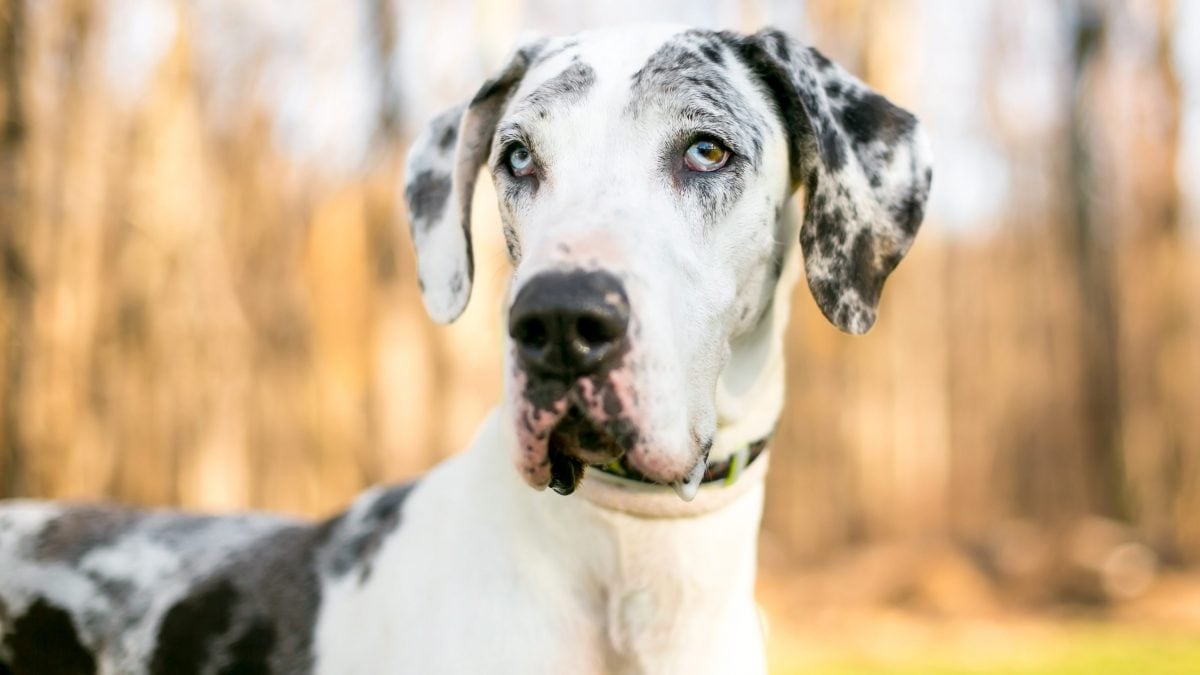
Think of it like this: a cat is a ninja, silent and graceful. A terrier is a tiny, enthusiastic security guard who believes their sole mission in life is to announce the arrival of any movement, especially if it’s remotely cat-shaped. The cat might be just going for a stroll, but the terrier sees it as a potential breach of fortress security, requiring immediate vocalization and possibly a spirited chase around the living room.
I Cani da Guardia e da Lavoro
Now, let's consider some of the bigger dogs, the ones bred for guarding and working. Their instincts can sometimes be interpreted as less than welcoming to smaller, more independent creatures.
The German Shepherd. These dogs are intelligent, loyal, and often used in police and military roles. Their guarding instincts are strong, and they are naturally alert to anything that might be considered a threat or an intruder. While many German Shepherds can be trained to live peacefully with cats, their inherent nature is to be protective of their "pack" and territory. A cat, with its aloofness and sometimes unpredictable movements, might be viewed with suspicion. It’s like a highly trained guard dog seeing a new, mysterious figure enter their carefully controlled environment. They’re not necessarily aggressive, but they’re definitely keeping an eye on things.
Similarly, breeds like the Doberman Pinscher or the Rottweiler, also known for their guarding capabilities, might exhibit a similar wariness. They’re powerful dogs with a deep sense of loyalty to their families. If they perceive a cat as something that disrupts the household’s equilibrium or as a potential threat, their protective instincts can kick in. It’s not about dislike, but about a programmed sense of duty to protect. Imagine them as the bouncers at a very exclusive club, and the cat is the new guest who hasn't yet been properly vetted.
Think of a large guarding breed meeting a cat for the first time. It’s less a "hello there, new friend" and more a "who are you, and what are you doing in my house?" It’s a very business-like approach to interspecies relations. The cat might just be trying to nap on the best spot on the sofa, but the dog might be thinking, "Hold on a minute, this is prime real estate, and I haven't officially sanctioned your presence here."
;)
It's important to remember that these dogs are often highly trainable. With early socialization and consistent, positive reinforcement, many of these breeds can learn to see cats not as intruders, but as just another member of the family. It’s about showing them that the cat is part of the pack, not a threat to it. It’s like explaining to a very serious bodyguard that the person they're eyeing suspiciously is actually the boss's aunt.
La Sottile Arte della Disapprovazione Felina (e Canina!)
Now, let's talk about the other side of the coin. Sometimes, it’s not just the dog that has an issue. Cats, bless their independent hearts, are not always thrilled about sharing their domain with a slobbering, tail-wagging creature.
Certain cat breeds might have their own preferences, and a boisterous, playful dog could be seen as a major disruption to their carefully curated nap schedule. Imagine a cat who lives for quiet contemplation and sudden bursts of zoomies at 3 AM. A dog who wants to play fetch all day might be seen as… well, a bit much.
It’s like having a roommate who’s always playing loud music when you’re trying to read. You don’t necessarily hate them, but you might start strategically avoiding them. Cats are masters of this subtle disapproval. The slow blink that isn't quite a sign of affection, the tail flick that means "back off," the deliberate turning away. These are all feline ways of saying, "I acknowledge your existence, but I'm not entirely impressed."
And when a cat is this subtly (or not so subtly) dismissive, some dogs can find it utterly baffling. They offer a wagging tail, a friendly sniff, and all they get back is a disdainful stare. It’s like offering someone a compliment and they just raise an eyebrow. For a dog who thrives on positive feedback, this can be confusing, and confusion can sometimes lead to frustration, which can then manifest as a less-than-friendly reaction.
The Siamese cat, for instance, is known for its intelligence and strong personality. They can be quite opinionated about their living arrangements. If they don't take to a particular dog, it's not a quiet disagreement. It's more of a "I have observed you, and I have found you wanting" kind of situation. And then the dog, trying to be friendly, might get a swift paw to the nose.
It’s a whole ecosystem of reactions. The dog wants to play, the cat is not amused. The cat subtly signals its displeasure, the dog is confused, and then the dog might react to the confusion, which further annoys the cat. It’s a cycle, and sometimes, breaking that cycle requires a lot of patience, understanding, and perhaps a few strategically placed scratching posts and high perches.
Fattori Chiave: Socializzazione, Età e Personalità
Before we start writing off entire breeds as "cat-haters," it’s crucial to remember that biology is only part of the story. Just like with humans, every dog (and cat!) has their own unique personality.
Socialization is perhaps the biggest factor. A puppy who grows up with cats, sees them as part of their family, and is taught by their human that cats are friends, not prey, is far more likely to be accepting. Imagine a child growing up in a household where everyone speaks multiple languages. They’re much more likely to pick up new languages later. It’s the same with dogs and cats.
The age at which the dog and cat meet also matters. An older dog with established routines and a firmly set opinion on cats might have a harder time adjusting than a young puppy. Similarly, a kitten introduced to a gentle, older dog might be less intimidated than a bold kitten meeting a boisterous adult dog.
And then there’s pure personality. Some dogs are just naturally more laid-back and tolerant. They’re the kind of dogs who would rather observe a cat from a safe distance than engage in a chase. Others are more energetic, curious, and driven by their instincts.
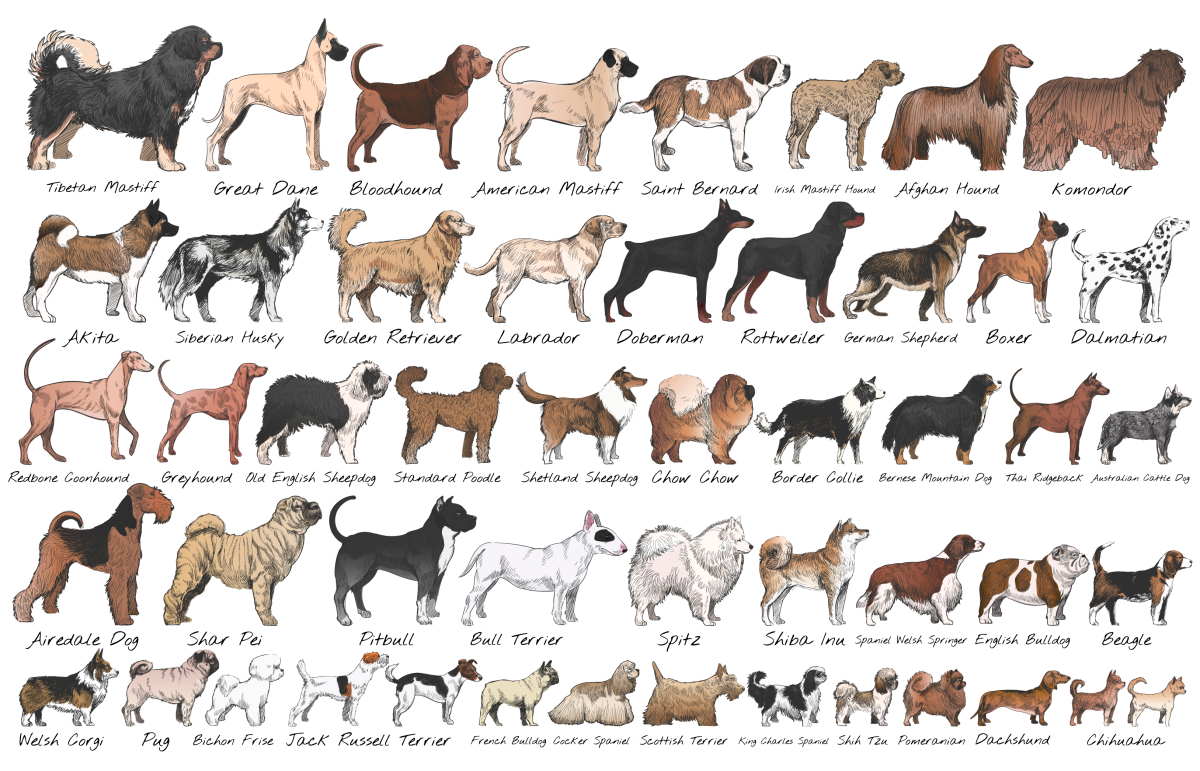
Think of it like this: you might have two people who were born in the same country (the breed). One grew up in a quiet village surrounded by nature (well-socialized puppy), and the other grew up in a bustling city with lots of noise and new experiences (less socialized). Their outlook on life, and their willingness to embrace new things (like cats), will likely be very different.
So, while some breeds might have a higher tendency to view cats with suspicion due to their breeding, it’s not a guaranteed outcome. It’s about understanding the breed’s natural instincts and then working with them, not against them. It's about building bridges, not walls, between our canine and feline companions.
In Conclusione: Amore a Prima Vista (o Quasi)
Ultimately, the idea of "dog breeds that hate cats" is a bit of an oversimplification. It’s more about instinct, upbringing, and individual temperament. Some breeds are predisposed to have a stronger prey drive, which can make cohabitation with cats a bit more challenging. Others have natural guarding instincts that might make them wary of unfamiliar creatures.
But remember the stories of unlikely friendships? The huge Great Dane who gently grooms the tiny kitten? The grumpy bulldog who lets the cat sleep on his head? These aren't fairy tales; they happen! They happen because with patience, careful introductions, and a lot of love, even the most seemingly incompatible creatures can learn to appreciate each other.
So, if you're considering bringing a new pet into your home, whether it's a dog or a cat, do your research on the breed's general tendencies. But also, be prepared to be surprised. Your "anti-cat" breed might just surprise you with their capacity for friendship. It might not always be a love song at first bark, but it can certainly become a harmonious duet. And isn't that what we all hope for in our furry family?
So, the next time you see a dog giving a cat the "side-eye," don't despair. It’s just a moment in their complex, fascinating relationship. A moment that, with a little understanding, could blossom into something truly special.