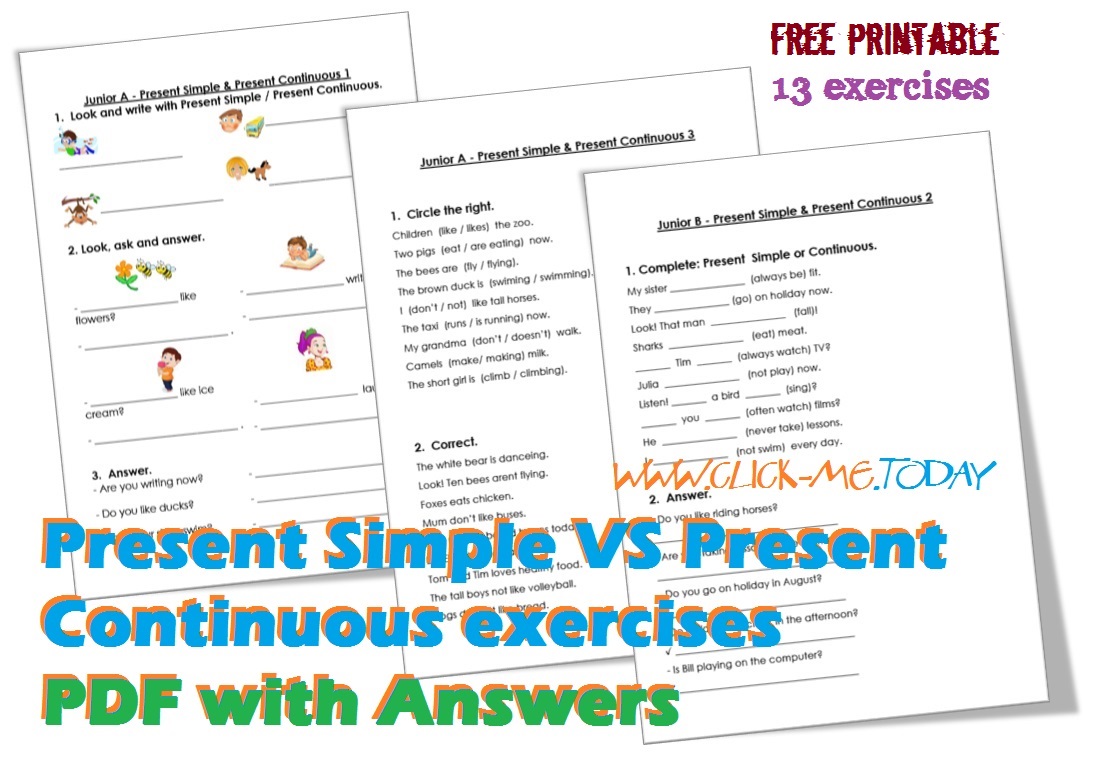
La lingua inglese, come molte altre, è ricca di sfumature e tempi verbali che, se usati impropriamente, possono alterare significativamente il significato di una frase. Due tempi verbali che spesso creano confusione negli studenti sono il Present Simple e il Present Continuous (o Present Progressive). Sebbene entrambi si riferiscano al presente, il loro utilizzo è ben distinto e legato al tipo di azione che si vuole descrivere.
Comprendere le Differenze Fondamentali
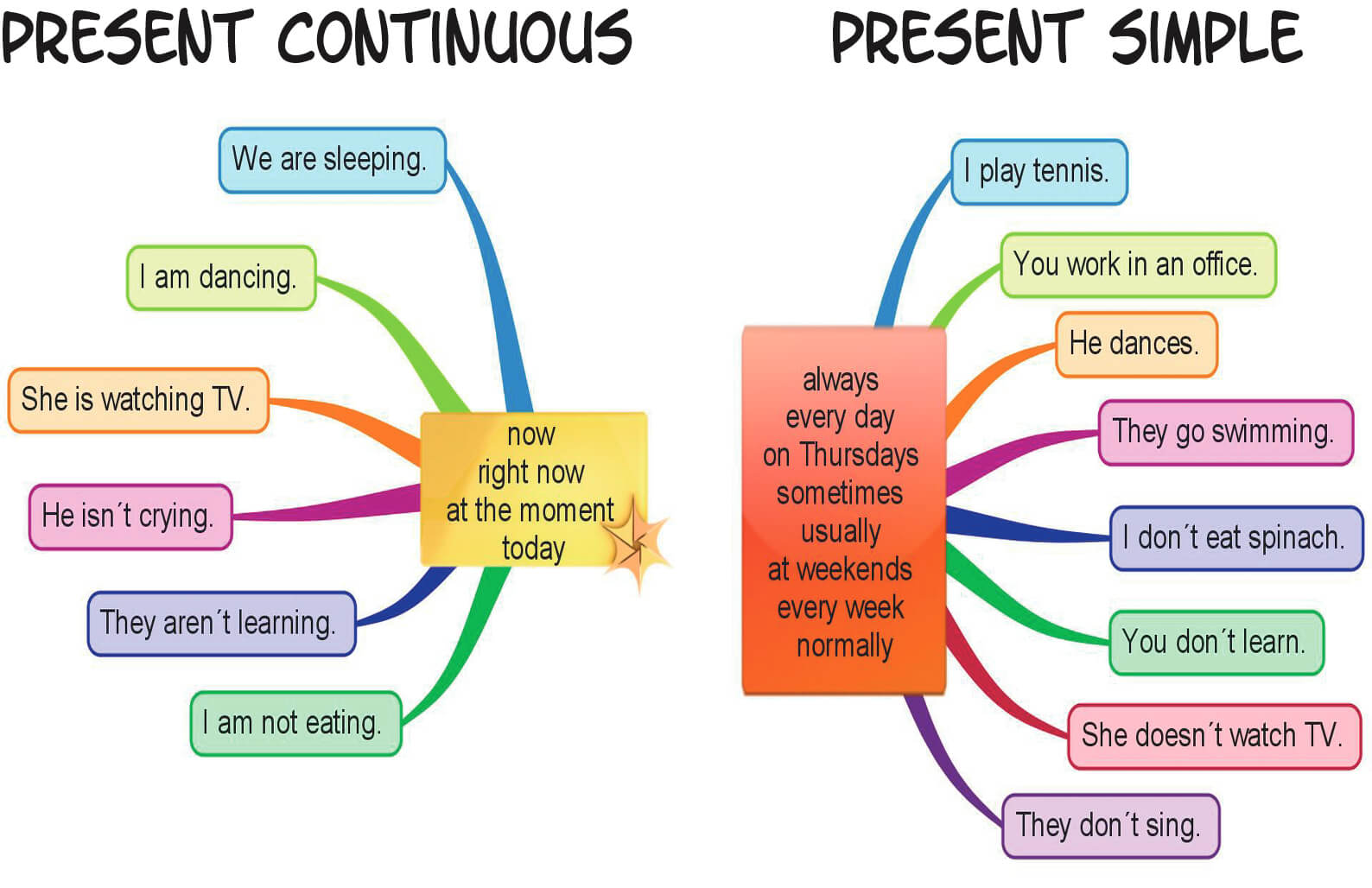
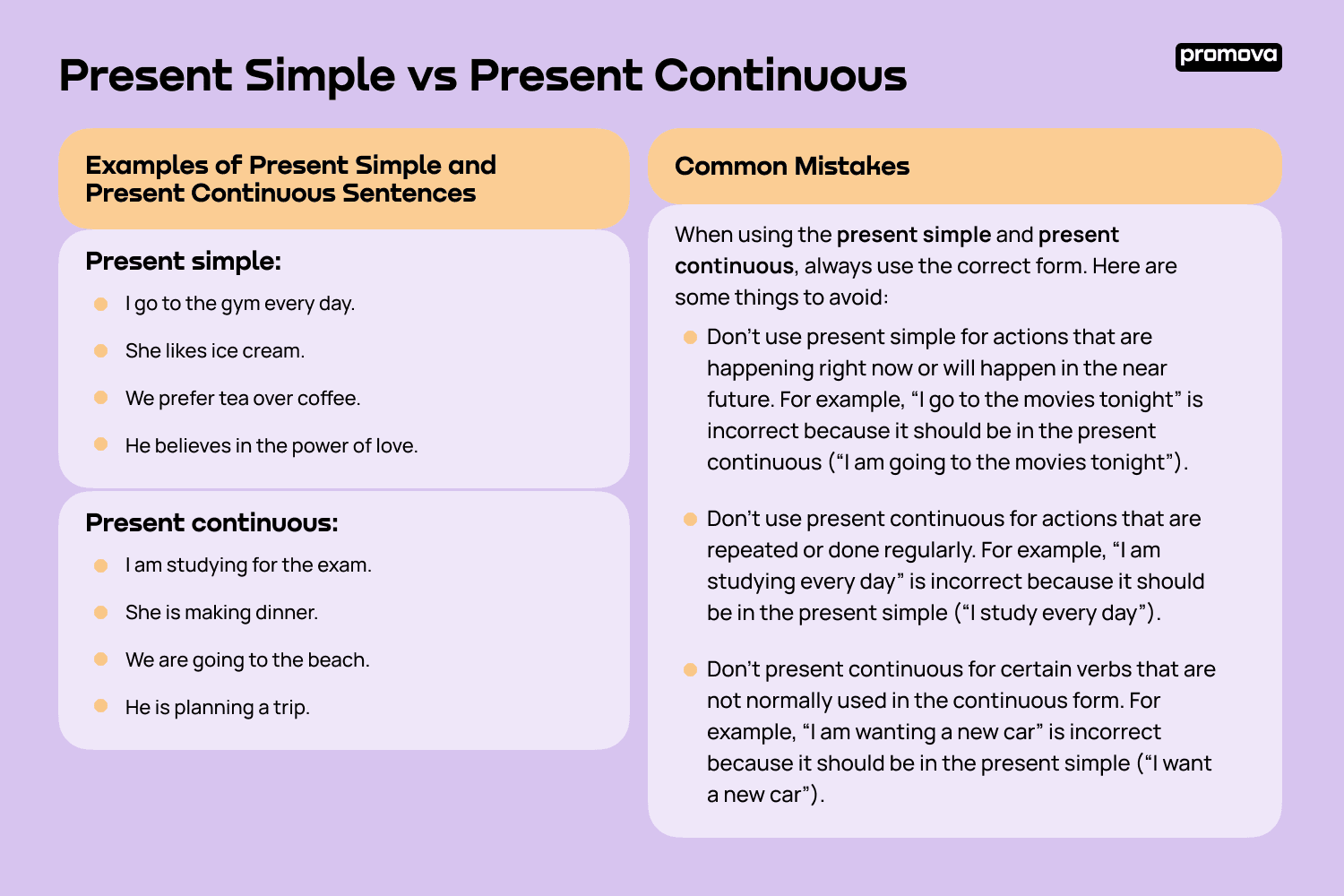
Prima di addentrarci negli esercizi, è fondamentale avere ben chiara la distinzione tra questi due tempi verbali. Il Present Simple si utilizza per descrivere azioni abituali, verità generali, fatti permanenti, orari fissi e routine. Il Present Continuous, invece, è utilizzato per descrivere azioni che si stanno svolgendo nel momento in cui si parla, azioni temporanee o in corso di sviluppo, e anche per esprimere piani futuri già definiti.
Present Simple: L'Abitudine e la Verità
Il Present Simple è come una fotografia della routine quotidiana. È il tempo verbale della ripetizione e della costanza. La sua forma è semplice: per la maggior parte dei soggetti si usa la forma base del verbo, mentre alla terza persona singolare (he, she, it) si aggiunge una "-s" o "-es".
Esempi:
- I drink coffee every morning. (Bevo caffè ogni mattina - un'abitudine)
- The sun rises in the east. (Il sole sorge a est - una verità generale)
- She works at the hospital. (Lei lavora all'ospedale - un fatto permanente)
- The train leaves at 7:00 AM. (Il treno parte alle 7:00 - un orario fisso)
Parole chiave (adverbs of frequency) che spesso accompagnano il Present Simple includono: always, usually, often, sometimes, rarely, never, every day/week/month/year.
Present Continuous: L'Azione in Corso
Il Present Continuous è come un video del momento presente. Mostra qualcosa che sta accadendo proprio ora, o in un periodo di tempo limitato. La sua forma è composta dall'ausiliare "be" (am, is, are) seguito dal verbo principale nella forma "-ing".
Esempi:
- I am studying for my exam. (Sto studiando per il mio esame - azione in corso ora)
- He is living in Rome for a few months. (Lui sta vivendo a Roma per alcuni mesi - azione temporanea)
- They are building a new house next door. (Stanno costruendo una nuova casa accanto - azione in corso di sviluppo)
- We are meeting John tomorrow. (Ci incontriamo con John domani - piano futuro già definito)
Parole chiave che spesso accompagnano il Present Continuous includono: now, at the moment, currently, these days.
Esercizi Pratici per la Comprensione
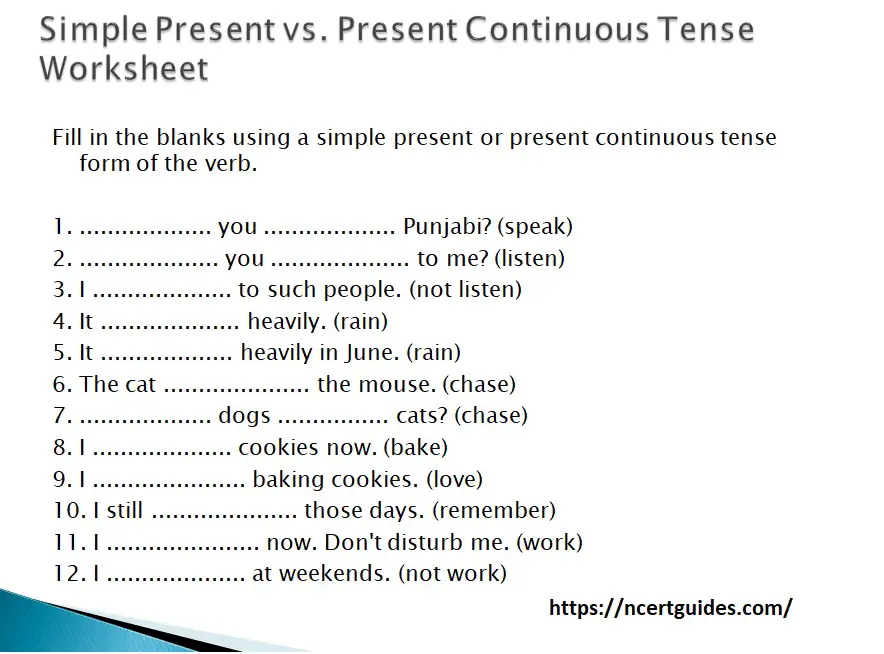
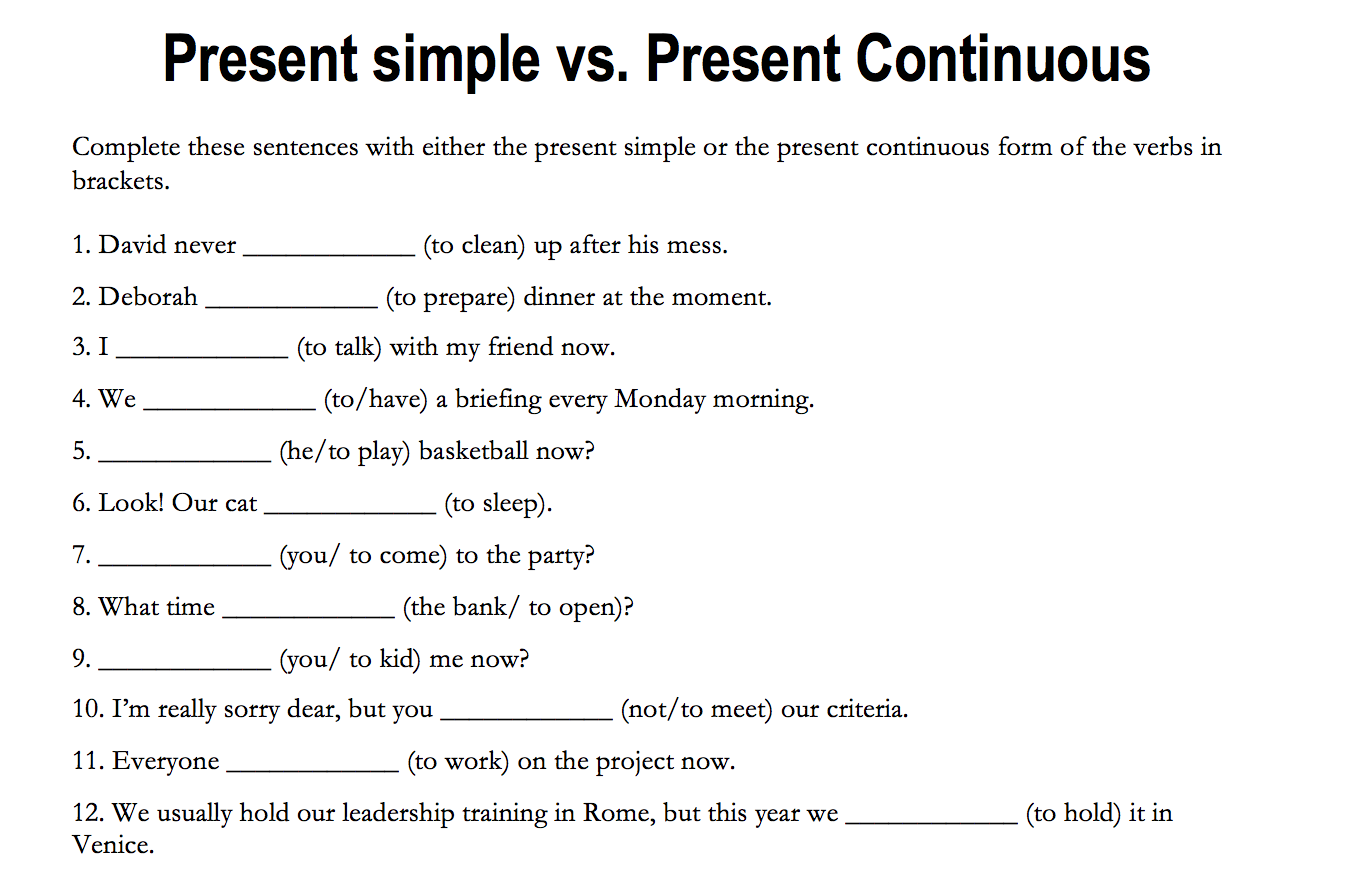
Ora che abbiamo rivisto le differenze fondamentali, mettiamoci alla prova con alcuni esercizi. L'obiettivo è identificare quale tempo verbale è più appropriato per descrivere la situazione.
Esercizio 1: Scegli il Tempo Verbale Corretto
Completa le seguenti frasi scegliendo tra il Present Simple e il Present Continuous.
- She ________ (read) a book every night before bed.
- They ________ (play) football right now.
- He ________ (work) as a teacher.
- We ________ (go) to Italy next summer. (pianificato)
- The Earth ________ (revolve) around the sun.
- I ________ (not understand) this question.
- He ________ (not usually eat) meat.
- The baby ________ (sleep) now.
- She ________ (learn) English at the moment.
- The sun ________ (shine) today.
Soluzioni:
- reads
- are playing
- works
- are going
- revolves
- don't understand
- doesn't usually eat
- is sleeping
- is learning
- is shining
Esercizio 2: Trasforma le Frasi
Trasforma le seguenti frasi dal Present Simple al Present Continuous (se possibile) o viceversa, mantenendo lo stesso significato.
- I am eating lunch at the moment.
- She always drinks tea in the afternoon.
- He is working on a new project these days.
- They play tennis every Sunday.
- The water boils at 100 degrees Celsius.
- We are meeting at 6 PM tonight.
- I don't usually eat spicy food.
- The children are playing in the park now.
- She is learning to play the guitar.
- He lives in London.
Possibili Soluzioni:
- I eat lunch around 1 PM every day. (Una delle possibili interpretazioni)
- She is drinking tea this afternoon. (In questo pomeriggio specifico)
- He works on new projects frequently.
- They are playing tennis this Sunday. (Pianificato per questa domenica specifica)
- The water is boiling. (In questo momento)
- We meet at 6 PM every week.
- I am not eating spicy food now.
- The children play in the park after school.
- She learns to play the guitar. (In generale, come hobby)
- He is living in London (temporarily).
Esercizio 3: Crea le Tue Frasi
Ora, prova a creare le tue frasi usando il Present Simple e il Present Continuous per descrivere la tua vita quotidiana e le attività che stai svolgendo ora. Cerca di variare gli argomenti e di utilizzare parole chiave appropriate per ciascun tempo verbale. Questo ti aiuterà a consolidare ulteriormente la tua comprensione.
Esempi:
- I wake up at 7 AM every day. (Present Simple)
- I am writing an article about grammar right now. (Present Continuous)
- She goes to the gym three times a week. (Present Simple)
- She is working on a new fitness routine this month. (Present Continuous)
Errori Comuni da Evitare
È importante essere consapevoli degli errori più comuni che gli studenti commettono quando utilizzano il Present Simple e il Present Continuous.
- Usare il Present Continuous per azioni abituali: Errato: "I am drinking coffee every morning." Corretto: "I drink coffee every morning."
- Non usare la forma corretta dell'ausiliare "be": Errato: "He am playing football." Corretto: "He is playing football."
- Dimenticare la "-s" alla terza persona singolare del Present Simple: Errato: "She work at the hospital." Corretto: "She works at the hospital."
- Utilizzare verbi stativi al Present Continuous: Alcuni verbi, come "know," "understand," "believe," "like," "love," e "hate," descrivono stati d'animo o opinioni e non sono generalmente usati al Present Continuous. Errato: "I am understanding this question." Corretto: "I understand this question."
Present Simple e Present Continuous nel Mondo Reale
L'utilizzo corretto del Present Simple e del Present Continuous è essenziale in molte situazioni della vita reale. Ad esempio:
- Sul lavoro: Per descrivere le tue mansioni abituali (Present Simple) e i progetti a cui stai lavorando (Present Continuous).
- Nelle conversazioni: Per parlare delle tue abitudini e di ciò che sta succedendo intorno a te.
- Nello studio: Per comprendere testi e articoli e per esprimere le tue idee in modo chiaro e preciso.
Inoltre, analizzando dati e notizie, si può notare come i giornalisti utilizzino il Present Simple per riportare fatti e dati accertati (es. "The unemployment rate remains high.") e il Present Continuous per descrivere tendenze in corso (es. "The economy is improving slowly.")
Conclusione: La Chiave è la Pratica Costante
Padroneggiare l'uso del Present Simple e del Present Continuous richiede pratica e attenzione. Più ti eserciti, più diventerà naturale scegliere il tempo verbale corretto. Non aver paura di commettere errori, perché è proprio attraverso gli errori che si impara e si migliora. Continua a praticare con esercizi, leggi articoli e libri in inglese, ascolta conversazioni e cerca di individuare come vengono utilizzati questi due tempi verbali nel contesto reale. Good luck!