
Ti sei mai trovato a fissare un esercizio di inglese, chiedendoti quale tempo verbale usare? Il Past Simple o il Past Continuous? Non sei solo. Molti studenti di inglese, soprattutto italiani, si scontrano con questa difficoltà. La sottile differenza tra questi due tempi verbali può creare confusione, ma con la pratica e la giusta comprensione, diventerai un maestro nel loro utilizzo.
Comprendere la Differenza Chiave
La chiave per distinguere tra il Past Simple e il Past Continuous risiede nella durata e nel completamento dell'azione. Pensa al Past Simple come a un flash: un'azione completata e conclusa nel passato. Invece, il Past Continuous è come un filmato: un'azione in corso, non completata, in un momento specifico del passato.
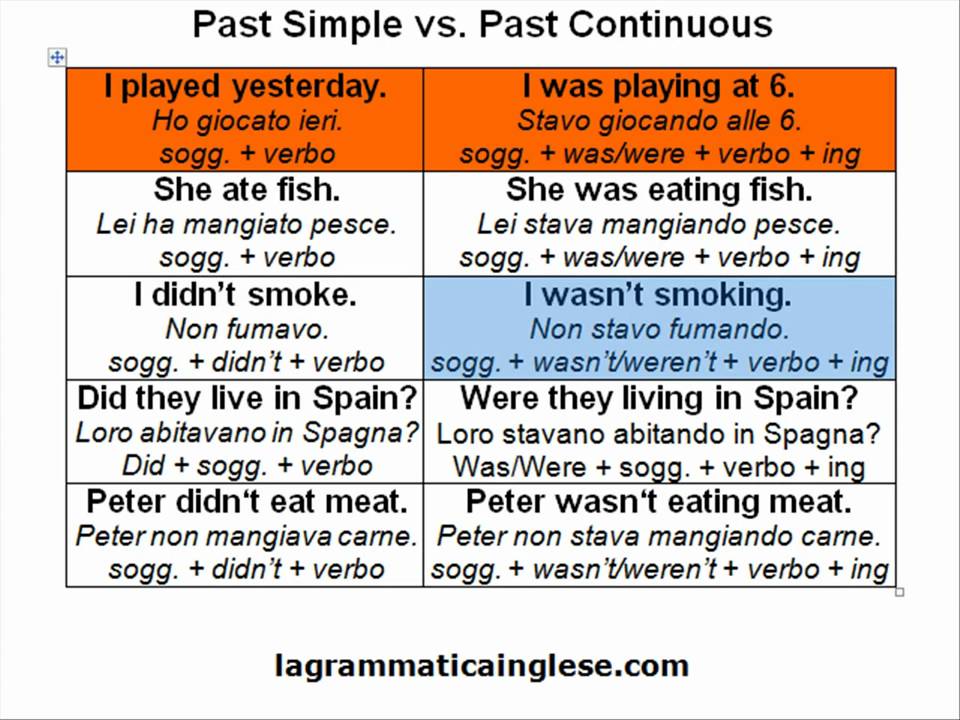
Past Simple: Descrive azioni finite nel passato. Esempio: I watched a movie last night. (Ho guardato un film ieri sera.)
Past Continuous: Descrive azioni che erano in corso in un determinato momento nel passato. Esempio: I was watching a movie when you called. (Stavo guardando un film quando hai chiamato.)
Quando Usare il Past Simple
Il Past Simple si usa in diverse situazioni:
- Azioni Concluse: Per descrivere azioni che hanno avuto un inizio e una fine nel passato. Esempio: She visited Rome last year.
- Sequenza di Eventi: Per narrare una serie di eventi che si sono susseguiti nel passato. Esempio: He woke up, had breakfast, and went to work.
- Abitudini Passate: Per descrivere abitudini o azioni ripetute nel passato. Esempio: I played the piano every day when I was a child.
Quando Usare il Past Continuous
Il Past Continuous, invece, si utilizza per:
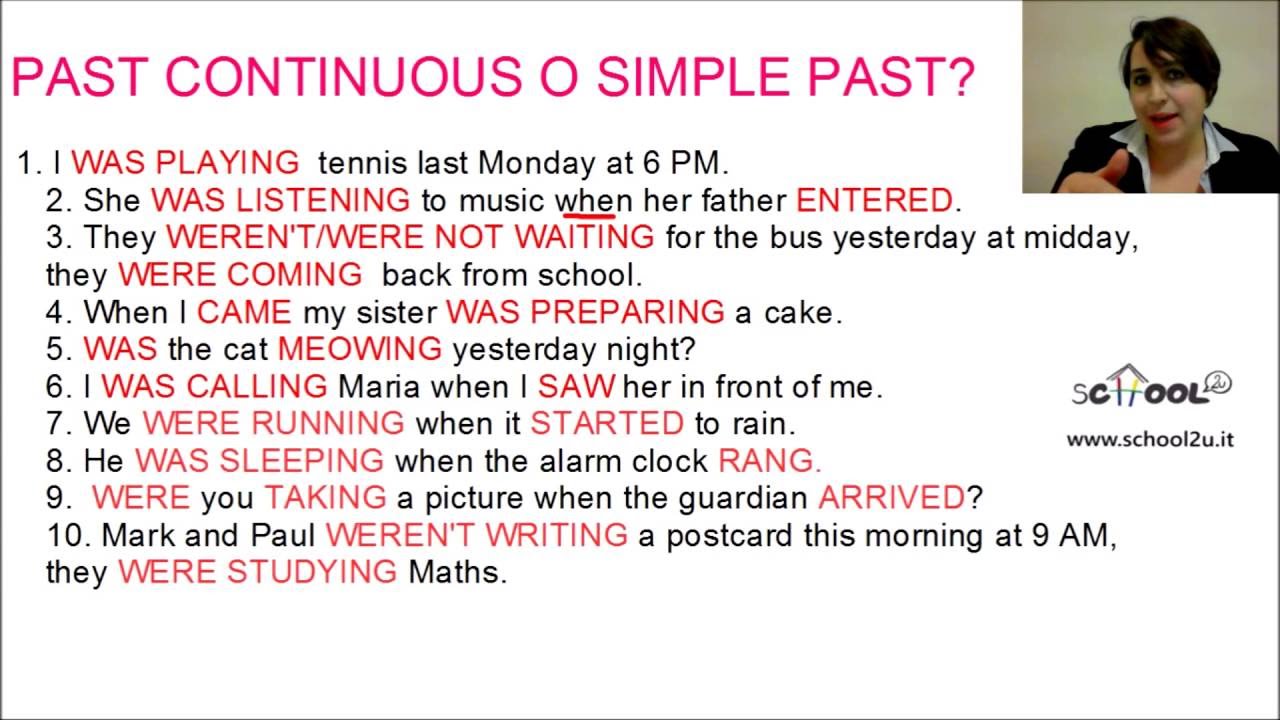
- Azioni in Corso nel Passato: Per descrivere azioni che stavano accadendo in un momento specifico nel passato. Esempio: At 8 pm yesterday, I was studying.
- Azione Interrotta: Per descrivere un'azione in corso interrotta da un'altra azione. Esempio: I was walking in the park when it started to rain.
- Descrivere lo Sfondo: Per creare un'atmosfera o un contesto in una narrazione. Esempio: The sun was shining, the birds were singing, and I was reading a book.
- Due Azioni Contemporanee: Per descrivere due azioni che stavano accadendo nello stesso momento. Esempio: While I was cooking, he was doing the dishes.
Esercizi Pratici: Mettiti alla Prova!
Ora che hai compreso le differenze, mettiamoci alla prova con alcuni esercizi. Concentrati sulla durata e sul completamento dell'azione per scegliere il tempo verbale corretto.
Esercizio 1: Completa le frasi con la forma corretta del verbo tra parentesi (Past Simple o Past Continuous).
- While I __________ (eat) dinner, the phone __________ (ring).
- She __________ (walk) to school when she __________ (see) an accident.
- They __________ (play) football when it __________ (start) to rain.
- He __________ (watch) TV all night.
- Yesterday, I __________ (go) to the library.
Esercizio 2: Traduci le seguenti frasi in inglese, usando il Past Simple o il Past Continuous.
- Stavo leggendo un libro quando sei arrivato.
- L'anno scorso, sono andato a Parigi.
- Mentre cucinavo, lui puliva la casa.
- Stava piovendo quando sono uscito.
- Ho visto un film ieri sera.
Esercizio 3: Scrivi un breve paragrafo (5-7 frasi) raccontando cosa stavi facendo ieri sera alle 8. Usa sia il Past Simple che il Past Continuous.
Ad esempio: Yesterday evening at 8 pm, I was having dinner. I was talking to my family about my day. Suddenly, the phone rang. It was my friend…
Soluzioni degli Esercizi
Esercizio 1:

- While I was eating dinner, the phone rang.
- She was walking to school when she saw an accident.
- They were playing football when it started to rain.
- He watched TV all night.
- Yesterday, I went to the library.
Esercizio 2:
- I was reading a book when you arrived.
- Last year, I went to Paris.
- While I was cooking, he was cleaning the house.
- It was raining when I went out.
- I watched a movie last night.
Esercizio 3: (Esempio di risposta)
Yesterday evening at 8 pm, I was having dinner. I was talking to my family about my day. Suddenly, the phone rang. It was my friend, she called to ask me about homework. After the call, I finished eating and started to study.

Trucchi e Consigli per Non Confondersi
Ecco alcuni trucchi e consigli che ti aiuteranno a distinguere e utilizzare correttamente il Past Simple e il Past Continuous:
- Parole Chiave: Presta attenzione a parole chiave come "when," "while," "yesterday," "last night," "at 8 pm," ecc. "When" spesso introduce un'azione al Past Simple che interrompe un'azione al Past Continuous. "While" spesso introduce un'azione al Past Continuous che avviene contemporaneamente a un'altra azione al Past Continuous.
- Visualizzazione: Immagina una linea temporale. Il Past Simple è un punto su quella linea, mentre il Past Continuous è un segmento.
- Contesto: Considera il contesto della frase. Cosa stai cercando di comunicare? Stai descrivendo un'azione completa o un'azione in corso?
- Pratica Costante: La pratica è fondamentale! Più esercizi fai, più facile sarà distinguere tra i due tempi verbali.
Errori Comuni da Evitare
Anche i parlanti nativi a volte commettono errori! Ecco alcuni errori comuni che dovresti evitare:
- Usare il Past Continuous per Azioni Concluse: Evita di dire "I was watching a movie yesterday" se intendi che hai visto l'intero film. Usa "I watched a movie yesterday."
- Usare il Past Simple per Azioni in Corso: Non dire "I watched a movie when you called" se intendi che stavi guardando il film quando hai ricevuto la chiamata. Usa "I was watching a movie when you called."
- Dimenticare l'Ausiliare "was/were": Ricorda che il Past Continuous richiede l'ausiliare "was" o "were" seguito dal verbo in -ing.
Risorse Utili per Approfondire
Se desideri approfondire ulteriormente l'argomento, ecco alcune risorse utili:
- Grammatiche Inglesi: Consulta una buona grammatica inglese per una spiegazione dettagliata delle regole grammaticali.
- Siti Web di Apprendimento dell'Inglese: Molti siti web offrono esercizi interattivi e spiegazioni chiare.
- App di Apprendimento delle Lingue: App come Duolingo e Babbel offrono esercizi specifici sui tempi verbali.
- Insegnanti di Inglese: Se hai difficoltà, considera di prendere lezioni private con un insegnante di inglese qualificato.
Conclusione: La Chiave è la Pratica!
Padroneggiare il Past Simple e il Past Continuous richiede tempo e impegno, ma con la pratica costante e la comprensione delle regole, diventerai sempre più sicuro del tuo inglese. Non aver paura di fare errori: sono un'opportunità per imparare e migliorare! Ricorda: la chiave è la pratica, la pratica e ancora la pratica! In bocca al lupo!