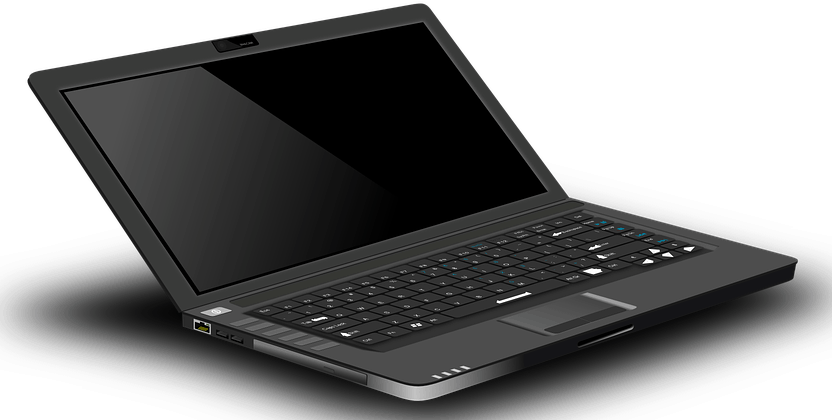
Ah, the classic situation. You’re there, probably with a
We’ve all been there, haven’t we? That sinking feeling in your stomach, that little voice whispering, “What if it’s done for good? What if it’s decided to retire to a beach in the Bahamas, leaving you stranded with your
But before you start drafting that dramatic farewell email to your digital companion, let’s take a deep breath. Most of the time, a computer that won’t turn on is just having a minor case of the
Il Primo Passo: La Controllata Generale (Come Se Stessi Verificando Se La Macchina del Caffè Ha Ancora Acqua)
Okay, let’s start with the super obvious, the equivalent of checking if you’ve actually plugged in the toaster. It sounds almost insulting to suggest, but sometimes, the simplest solutions are the ones we overlook in our haste.
First things first: Is it plugged in? I know, I know. But hear me out. Did the cable get accidentally nudged? Is the power strip switched on? Is it possible that your cat, in a fit of nocturnal mischief, decided to use the power cord as a new chew toy? These things happen. Imagine trying to bake a cake and realizing you forgot to plug in the mixer. Utterly frustrating, right?
So, trace that power cord like a detective following a vital clue. Make sure it's firmly seated in the wall socket and in the back of your computer. If you’re using a power strip, give that a good look-over too. Are all the little lights on? Sometimes, a surge protector can trip, and it needs a good old flick of the switch to get back in business. Think of it as waking up a sleepy guard.
For laptops, it’s a bit different. Is the battery charged? This is the laptop equivalent of the car running out of gas. If the battery is completely drained, it might not even show a flicker of life. Try plugging in the charger and letting it have a good hour or so to “rest and recuperate” before attempting to turn it on again. Sometimes, it just needs a long, peaceful nap.
Also, with laptops, check the charging brick. Is the little light on it glowing? If not, the brick itself might be the culprit. Again, simple, but crucial.
E Se Sembra Tutto Collegato? Passiamo alla "Scossa" Magica.
Alright, so you've confirmed that yes, indeed, the wires are connected, and the power strip is as illuminated as a Christmas tree. Yet, still, nothing. It’s like you’ve ordered a pizza, the delivery guy is at the door, but when you open it, he’s holding a…
This is where we get a little more hands-on. The next step is what’s often called a “hard reset” or a “power cycle.” Don’t worry, it’s not as dramatic as it sounds. It’s essentially giving your computer a “shock” to clear out any temporary electrical glitches that might be making it act like it’s stuck in a digital coma.
For a desktop computer:
1. Unplug it. Yes, from the wall. Completely. Make sure that little light on the power supply (if it has one) goes off. This is like telling your computer, “Okay, playtime is over, let’s have a serious talk.”
2. Press and hold the power button. This is the crucial part. While it’s unplugged, press and hold the power button on the computer itself for about 15-30 seconds. Imagine you’re trying to squeeze every last bit of power out of a drained battery. This discharges any residual electricity stored in the components. It’s the computer’s way of taking a deep, cleansing breath.
3. Plug it back in. Reconnect the power cable to the wall.
4. Try turning it on again. Fingers crossed, it’ll greet you with that familiar startup sound.
For a laptop:
1. Unplug the charger.
2. Remove the battery (if possible). Now, this is a bit of a throwback for many modern laptops, which have sealed batteries. If yours does have a removable battery, take it out. Think of it as giving the computer a little “time out” from its power source. If you can’t remove it, don’t fret, the unplugging and power button press will still help.
3. Press and hold the power button. Just like with the desktop, hold down the power button for 15-30 seconds with everything disconnected. This is its moment of digital meditation.
4. Reinsert the battery (if removed) and plug in the charger.
5. Attempt to power it on.
This process is like giving your computer a good, firm shake. Sometimes, all it takes to unstick a stubborn cog is a little jolt. It’s the digital equivalent of a good, strong cup of Italian coffee for a sleepy soul.
Cosa Fare Se Ancora Non Si Accende? Diamo un’Occhiata Più Da Vicino (Ma Senza Smontare Tutto!)
Still nothing? The screen remains stubbornly black, and your heart is starting to sink a little faster than a
Let’s consider the display. Could it be that the computer is actually turning on, but the screen just isn’t showing it? This is like someone talking to you, but you’re wearing noise-canceling headphones.
For a desktop:
1. Check the monitor cable. Is it securely connected to both the computer and the monitor? Again, the simple things! Wiggle it a bit, ensure it’s snug.
2. Check the monitor’s power. Is the monitor itself plugged in and turned on? Does it have a little power light glowing? Sometimes, the monitor just decides to take an unauthorized break.
3. Try a different cable or port. If you have a spare monitor cable, try swapping it out. Also, if your graphics card has multiple output ports, try plugging the monitor into a different one. It’s like trying a different plug socket if your lamp isn’t working.
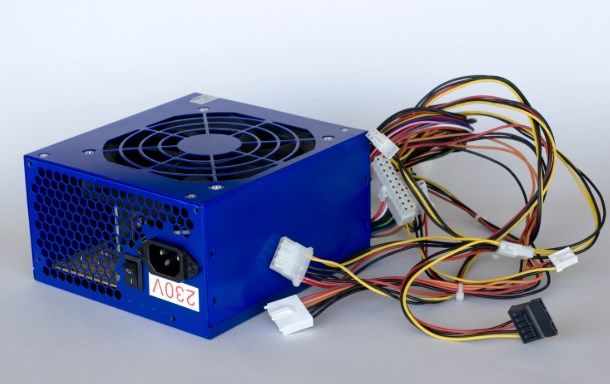
4. Test with another monitor (if possible). If you have another monitor lying around, hook it up. This is the ultimate test to see if the problem lies with your original monitor or the computer’s video output.
For a laptop:
1. Try an external monitor. Connect your laptop to an external monitor (if you have one). If you see your desktop on the external screen, it means your laptop is likely working, but its internal screen has an issue. This is a bit like finding out your phone’s speaker is broken, but you can still hear calls if you use headphones.
This step is crucial because it helps us isolate the problem. If you see an image on an external screen, the core of your computer is probably alive and kicking. If not, we’re still looking at a more fundamental power or internal component issue.
Ascoltare i Sintomi: Il Computer Ci Parla, Bisogna Solo Capirlo.
Even without a visual, your computer might be trying to communicate with you. Does it make any noises?
When you press the power button, do you hear:
* Fans spinning? A gentle hum means the power is getting to some components. This is good! * A single beep? A single beep can sometimes indicate a successful POST (Power-On Self-Test), but it’s not always definitive. * Multiple beeps or a series of beeps? This is where it gets interesting. Different beep codes can signify different problems. It’s like your computer coughing out a Morse code message. You might need to consult your computer’s manual or the manufacturer’s website to decipher these codes. For example, a certain pattern of beeps might point to a RAM issue, while another could indicate a graphics card problem. * Absolutely nothing? This is the most concerning, but it brings us back to the initial power checks.
If you hear absolutely nothing, not even a whisper of a fan, it’s leaning towards a power supply unit (PSU) issue on a desktop, or a motherboard/power button problem on either a desktop or laptop. This is where things can get a bit more technical, and if you’re not comfortable opening up your machine, it might be time to consider professional help.
Think of it this way: if your car makes a strange clunking sound, you might try to ignore it for a bit, hoping it goes away. But if it just sits there and makes no noise at all, it’s a sign of a more serious, underlying problem.
Quando Chiamare i Rinforzi (Il Tecnico, Non L’Esercito)
So, we’ve gone through the basics: checking power, performing a hard reset, and looking at display issues. If your computer is still stubbornly refusing to boot up, it might be time to admit that this is beyond a quick DIY fix. It’s like trying to assemble IKEA furniture with only a spoon and a dream – eventually, you realize you need the actual tools.
Here are a few signs that it’s time to call in the cavalry (or, you know, a qualified computer technician):
* No lights, no sounds, no fans. If you’ve checked all power connections and performed a hard reset and still get absolutely zero activity, it’s likely a hardware failure, such as a dead power supply unit (PSU) in a desktop.
* Persistent beep codes you can’t decipher. If your computer is beeping out a cryptic message, and you’ve tried looking up the codes without success, a technician can interpret them.
* Smell of burning. If you ever smell something burning from your computer, turn it off immediately and unplug it. This is a serious warning sign of a component failure and potentially a fire hazard. Don’t try to fix this yourself!
* You’re just not comfortable. There’s no shame in admitting that opening up a computer or fiddling with internal components isn’t your cup of tea. It’s better to leave it to the experts than to risk causing more damage.
Think of calling a technician as taking your car to a mechanic. You wouldn’t try to rebuild the engine yourself if you’re not a mechanic, right? You trust them with their specialized knowledge and tools.
Ultimately, a computer that won’t turn on can be a real headache. But by starting with the simple steps, and by listening to the "symptoms" your machine is (or isn't) showing, you can often resolve the issue yourself. And if not, well, at least you’ll have a better idea of what to tell the technician, making your life (and theirs) a little easier. Now, go forth and may your screens be ever bright and your boot-up sounds ever cheerful!