So, you've been captivated by the rich, soulful sound of the saxophone, haven't you? Perhaps you've seen a jazz musician pour their heart into a solo, or maybe you've just always admired the instrument's elegant curves and the sheer presence it commands. The desire to create those beautiful melodies yourself is a powerful one, and it's completely understandable. But let's be honest, looking at that collection of keys, pads, and a reed can feel a little… intimidating. You might be thinking, "Where on earth do I even begin?" or perhaps, "Is it even possible for someone like me to learn an instrument that seems so complex?"
It's a common feeling, and one we want to address head-on. Many aspiring musicians share these very same hesitations. The journey of learning a musical instrument, especially one like the saxophone, can often feel like standing at the foot of a mountain. The peak, representing mastery and the ability to play your favorite tunes, seems so far away, shrouded in clouds of technical difficulty and the fear of not being "musical enough." But here's the secret: every single saxophonist you admire started exactly where you are right now. They faced the same questions, the same doubts, and the same daunting instrument. And they learned. And you can too.
The impact of learning to play an instrument like the saxophone extends far beyond simply making noise. It's about unlocking a new dimension of self-expression. Think about it: music has an incredible ability to communicate emotions, stories, and feelings that words sometimes fail to capture. When you learn the saxophone, you gain a powerful voice, a way to translate your inner world into sound. It can be a deeply cathartic and rewarding experience, offering an outlet for stress, joy, frustration, and everything in between. Imagine being able to play a melancholic tune when you're feeling down, or a lively, upbeat melody to celebrate a happy moment. That's the real-world impact – the tangible emotional and creative benefits that learning an instrument brings into your life.
Furthermore, playing music is a fantastic way to connect with others. Whether you dream of joining a local band, playing with friends, or simply serenading your loved ones, the saxophone opens doors to social opportunities. Music has a universal language, and being able to participate in that conversation is an enriching experience that can combat feelings of isolation and build strong connections. It's not just about personal achievement; it's about becoming part of something larger, a community of fellow musicians and music lovers.
Now, let's address some of the voices you might hear, or perhaps the ones whispering in your own mind. Some might say, "You need to have a natural talent to play the saxophone." Or maybe, "It takes years of dedicated practice before you can even play a simple song." While there's a kernel of truth in the importance of dedication and practice, the idea of "natural talent" can be a significant roadblock. It suggests that some people are born with a gift, while others are simply not. We firmly believe that while aptitude can vary, consistent effort and the right approach are far more crucial than any perceived innate ability. Think of it like learning a language. Some people might pick up new words faster, but with consistent study and immersion, anyone can become fluent. The same applies to the saxophone. Your dedication and willingness to learn are your most valuable assets.
Another common concern is the cost of a saxophone and lessons. It's true that investing in an instrument and professional guidance can be a financial commitment. However, there are many ways to make this accessible. The market offers a range of saxophones at different price points, from beginner models to professional instruments. Renting an instrument is often a great starting point, allowing you to try it out before committing to a purchase. As for lessons, while private instructors offer invaluable personalized guidance, there are also online courses, group workshops, and even free resources available. The key is to find what works best for your budget and learning style.

Embarking on Your Saxophone Journey: The First Steps
So, how do you actually start learning to play the saxophone? Let's break it down into manageable steps, like building a song note by note.
1. Choosing Your Saxophone: The Right Partner for Your Musical Adventure
The first, and arguably most exciting, step is selecting your instrument. For beginners, the most common choices are the alto saxophone and the tenor saxophone. Here's a quick rundown:
- Alto Saxophone: This is generally considered the easiest to start with for most adults and older children. It's lighter, has a slightly smaller mouthpiece, and often requires less breath support. Its sound is bright and versatile, making it popular in a wide range of genres.
- Tenor Saxophone: This instrument is larger and requires a bit more breath support. Its sound is deeper and warmer, often associated with jazz legends. While it might be a touch more challenging initially, many find it incredibly rewarding.
Important Considerations:
- New vs. Used: A new beginner saxophone can be a great investment. However, buying a used instrument from a reputable music store or a trusted seller can be a more budget-friendly option. Just ensure it's in good working condition and has been recently serviced.
- Rental Options: As mentioned earlier, renting is an excellent way to begin. It allows you to experience playing without the significant upfront cost. If you find you love it, most rental programs allow you to apply a portion of your rental fees towards a purchase.
- Brand Reputation: Stick to well-known brands like Yamaha, Selmer, Jupiter, and Conn-Selmer. These brands are known for their quality and durability, especially for student models.
Think of your saxophone as your musical partner. You want a partner that's reliable, comfortable to work with, and inspires you to play. Don't be afraid to visit a local music shop and hold different saxophones. See how they feel in your hands.

2. The Essential Accessories: Your Saxophone's Toolkit
Once you have your saxophone, you'll need a few other items to get started:
- Reeds: These are crucial! Reeds are thin pieces of cane that vibrate to produce sound. Beginners often start with softer reeds (e.g., strength 1.5 or 2). They wear out, so you'll need to buy them in packs. Brands like Rico, Vandoren, and D'Addario are popular.
- Ligature and Mouthpiece: Your saxophone will come with a mouthpiece and a ligature (the part that holds the reed to the mouthpiece). While these are functional, many players eventually upgrade their mouthpieces for different tonal characteristics. For now, the included ones are perfectly fine.
- Neck Strap: This is essential for supporting the weight of the saxophone and allowing you to play comfortably for extended periods. Make sure it's adjustable and comfortable.
- Cleaning Supplies: Saxophones need regular cleaning to keep them in top condition. You'll typically need a cleaning swab, a mouthpiece brush, and a polishing cloth.
- Tuner and Metronome: These are your best friends for developing good pitch and rhythm. Many smartphone apps combine both functions effectively.
3. Finding Your Instructor: Guidance is Key
While self-teaching is possible with the abundance of online resources, having a good instructor is invaluable, especially in the beginning. A qualified teacher can:
- Correct Bad Habits Early: This is perhaps the most critical role. Incorrect embouchure (how you form your mouth around the mouthpiece), posture, or fingerings can be very difficult to unlearn later and can hinder your progress significantly.
- Provide Structured Learning: A teacher will guide you through a logical progression of exercises and songs, ensuring you build a strong foundation.
- Offer Motivation and Accountability: Knowing you have a lesson coming up can be a powerful motivator to practice.
- Tailor Instruction: They can adapt their teaching style and material to your specific needs, learning pace, and musical interests.
Where to Find an Instructor:

- Local music stores often have a list of recommended teachers.
- Music departments at colleges or universities might have students or faculty offering lessons.
- Online directories and platforms can connect you with instructors for in-person or online lessons.
Don't be discouraged if the first instructor you meet isn't the perfect fit. It's okay to have trial lessons to find someone you connect with and trust.
The Learning Curve: Practice, Patience, and Persistence
Now for the heart of the matter: practice. It's the ingredient that transforms the desire to play into the ability to play. Let's demystify what effective practice looks like.
4. Mastering the Fundamentals: Building Your Musical Alphabet
Before you can play your favorite songs, you need to understand the basics. This includes:
- Embouchure and Breathing: This is your foundation. A proper embouchure, where your lips are correctly positioned around the mouthpiece, and controlled breathing are essential for producing a good tone and playing in tune. Your instructor will be instrumental here.
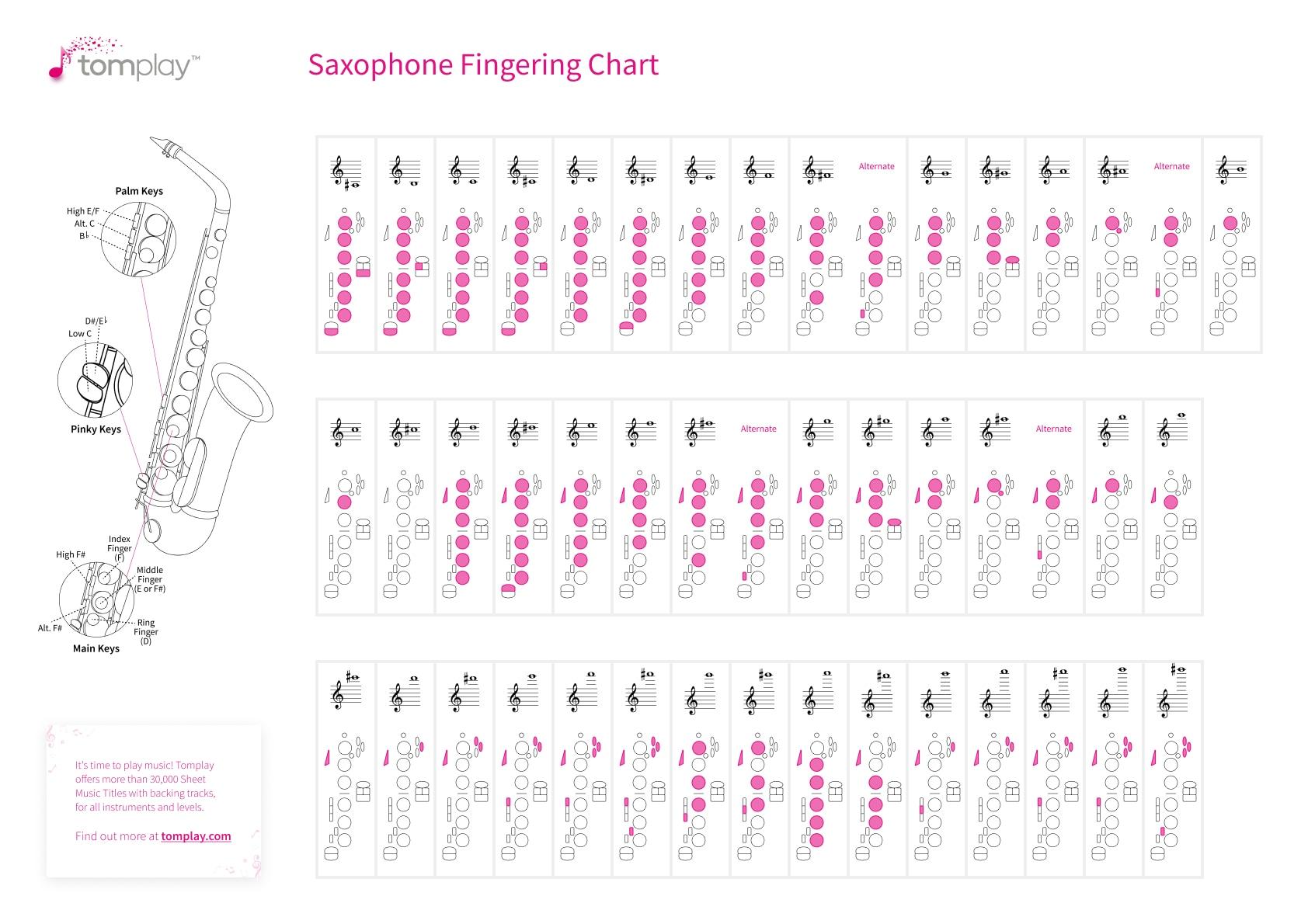
- Fingering Charts: You'll need to learn which keys to press to produce different notes. Start with a simple fingering chart for the notes you'll be learning first.
- Producing Your First Sound: It might not be a beautiful melody at first! Focus on getting a consistent, clear sound. This takes time and experimentation with your embouchure and breath.
- Basic Scales and Arpeggios: These are the building blocks of most music. Practicing scales helps you develop finger dexterity, ear training, and familiarity with the instrument.
5. The Power of Practice: Quality Over Quantity
The saying "practice makes perfect" is only partially true. It's consistent, focused practice that leads to improvement. Aim for:

- Regularity: Short, frequent practice sessions are far more effective than one long, infrequent marathon. Even 15-30 minutes a day, done consistently, will yield remarkable results over time.
- Purposefulness: Don't just play randomly. Have specific goals for each practice session. Are you working on a particular scale? A difficult passage in a song? A specific technique?
- Mindful Engagement: Be present during your practice. Listen critically to your sound, your intonation, and your rhythm.
- Variety: Mix up your practice routine. Include technical exercises, sight-reading, learning new songs, and playing for enjoyment.
Think of it like going to the gym. You don't just wander around aimlessly; you follow a program designed to build strength and endurance. Your musical practice should be similarly structured.
6. Patience and Persistence: The Unsung Heroes
Learning the saxophone is a marathon, not a sprint. There will be days when you feel like you're not making progress, days when a particular passage just won't come out right. This is completely normal! Every musician experiences this. The key is to not give up. Celebrate the small victories, acknowledge your progress, and keep going. The frustration you feel now will make the eventual triumph all the sweeter. Remember why you started this journey – the joy of making music. Hold onto that inspiration.
You might even find yourself humming a melody one day, and suddenly realize you have the muscle memory and theoretical understanding to actually play it on your saxophone. That feeling of accomplishment, of bridging the gap between an idea in your head and a sound you create, is incredibly powerful and deeply fulfilling. It’s a tangible demonstration of your effort and dedication.
So, are you ready to take that first breath and make your saxophone sing? What song would you love to be able to play first?