
Ugo Foscolo's All'ombre dei cipressi e dentro l'urne, commonly known as "Dei Sepolcri," is a seminal work in Italian literature. Published in 1807, this long poem transcends a simple meditation on death and burial. It is a complex exploration of history, memory, national identity, and the enduring power of poetry itself. The poem's enduring relevance lies in its ability to grapple with themes that continue to resonate with readers today, offering a powerful reflection on our relationship with the past and our aspirations for the future.
The Multifaceted Nature of Death
Foscolo doesn't present a simplistic view of death. He rejects both the rigid, religiously dogmatic view and the purely materialistic interpretation prevalent during the Enlightenment. Instead, he proposes a more nuanced understanding, suggesting that while physical death is an undeniable reality, its meaning is shaped by the living. He investigates the emotional, societal, and cultural impact of how we remember and commemorate the deceased.
Challenging the Edict of Saint-Cloud
A key impetus for writing Dei Sepolcri was the Edict of Saint-Cloud, a Napoleonic decree that mandated the relocation of cemeteries outside of city walls and the standardization of tombs, regardless of social status. This edict, intended to promote public health and equality, was seen by Foscolo as a desecration of memory and a denial of the importance of individual identity. He argues that tombs are not merely repositories of corpses, but are crucial physical links to our ancestors and our national heritage. The standardized tombs, stripped of personal markers, threatened to erase the individual stories and contributions that make up the collective identity.
Consider, for example, the elaborate family tombs found in Italian cathedrals and noble estates. These structures, often adorned with sculptures and inscriptions, served as powerful reminders of lineage and historical importance. The Edict of Saint-Cloud, in its attempt to equalize death, risked homogenizing these potent symbols of memory and history.
The Power of Memory and History
Foscolo strongly believed in the vital role of memory in shaping individual and national identity. He highlights how tombs act as physical reminders of the past, connecting the present generation to their ancestors and to the historical events that shaped their nation. The presence of these memorials inspires emulation and fosters a sense of shared heritage.
The Significance of Tombs as Historical Markers
Tombs serve as tangible connections to the past. They are more than just burial sites; they are repositories of stories, values, and traditions. Think of the ancient Roman catacombs, which not only served as burial places but also as covert meeting places for early Christians, preserving their faith and history in the face of persecution. Or consider the military cemeteries dedicated to fallen soldiers, which stand as solemn reminders of sacrifice and national identity.
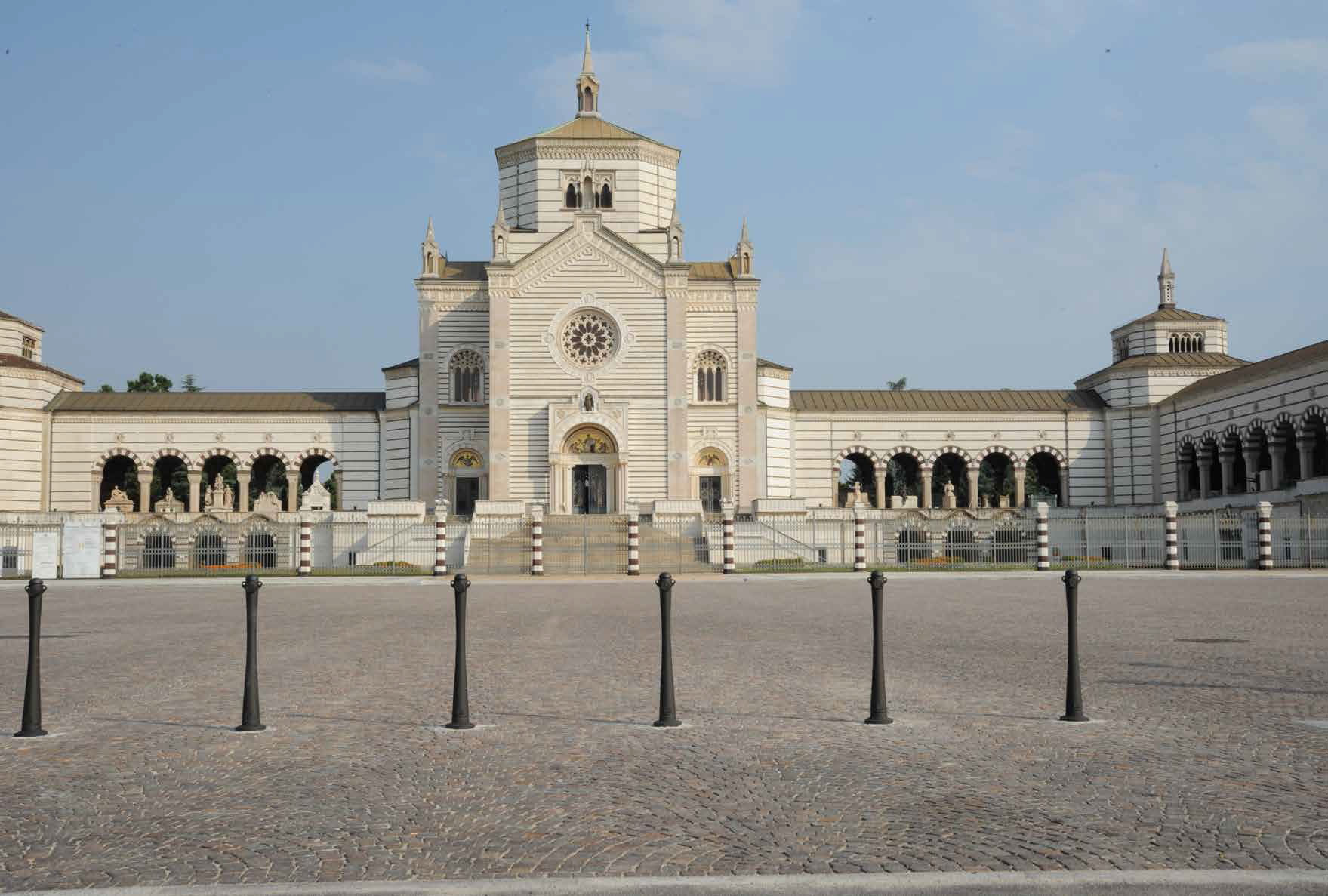
Foscolo uses examples like the tombs of illustrious figures in the Basilica di Santa Croce in Florence, such as Michelangelo and Galileo, to illustrate this point. These tombs are not just memorials to individuals; they are symbols of Italian artistic and intellectual achievement, inspiring future generations to strive for greatness. These monuments are sources of national pride and serve as constant reminders of the intellectual and artistic heritage of Italy.
Poetry as a Vehicle for Immortality
For Foscolo, poetry is the ultimate means of achieving immortality. While physical death is inevitable, the ideas and achievements of great individuals can live on through their works, inspiring future generations. Poetry, therefore, has the power to transcend the limitations of mortality and to preserve the memory of the past.
The Enduring Power of Words
Foscolo believed that poetry could transform fleeting human experiences into lasting monuments. Consider Homer's Iliad and Odyssey. These epic poems, composed centuries ago, continue to captivate readers today, keeping alive the stories of ancient heroes and their struggles. They demonstrate the power of language to transcend time and to shape our understanding of the past.
In Dei Sepolcri, Foscolo argues that poetry can immortalize the memory of individuals and events, ensuring that they are not forgotten. He sees himself as a poet whose duty it is to preserve the memory of Italy's past glory and to inspire future generations to strive for freedom and independence. His own poem, therefore, becomes a monument to memory itself.
Patriotism and National Identity
Underlying the themes of death and memory is a strong current of Italian patriotism. Foscolo wrote during a period of political upheaval and foreign domination. Italy was fragmented and under the control of various foreign powers. He longed for a unified and independent Italy and saw the revival of national pride and the cultivation of a shared cultural identity as essential to achieving this goal.
The Role of Sepulchres in Fostering National Unity
Foscolo uses the image of the sepulchre as a symbol of national unity. He argues that shared memories of the past, embodied in the tombs of great Italians, can help to forge a sense of collective identity and inspire a shared sense of purpose. The tombs of national heroes become rallying points for national pride and aspirations.
He envisions a future Italy where the memory of its past greatness inspires its citizens to fight for freedom and independence. The poem can be seen as a call to action, urging Italians to remember their heritage and to strive for a better future. Think of the Risorgimento, the 19th-century movement for Italian unification. Foscolo's works, along with those of other patriotic writers, played a significant role in inspiring this movement.
Interpreting the "All'Ombre Dei Cipressi" Today
Dei Sepolcri, while rooted in the context of early 19th-century Italy, continues to offer valuable insights into the human condition. Its exploration of memory, history, and the power of art remains relevant in a world increasingly shaped by globalization and rapid technological change.
The Enduring Significance of Remembrance
In an era of digital information and fleeting attention spans, Foscolo's emphasis on the importance of memory is particularly poignant. We are constantly bombarded with information, but how much of it do we truly retain? How do we ensure that the stories of the past are not lost in the noise of the present? Dei Sepolcri reminds us of the importance of actively engaging with our history and of preserving the memories that shape our identity.

We can see this relevance reflected in the ongoing debates surrounding historical monuments and memorials. Should controversial statues be removed? How should we remember difficult or painful periods of history? These questions are at the heart of Foscolo's poem, which encourages us to think critically about the ways in which we commemorate the past and the messages that these commemorations convey.
The Call to Action
Dei Sepolcri is not just a lament for the past, but a call to action for the future. Foscolo urges us to embrace our cultural heritage, to learn from the lessons of history, and to strive for a more just and equitable society. He reminds us that the memory of the past can inspire us to create a better future. In a world grappling with questions of identity, belonging, and historical reckoning, Foscolo's poem continues to offer a powerful and enduring message.
Ultimately, All'ombre dei cipressi e dentro l'urne challenges us to consider the enduring legacy we leave behind. It is a testament to the power of memory, the importance of history, and the enduring influence of art in shaping our understanding of ourselves and the world around us. It encourages us to actively engage with the past, to learn from its lessons, and to strive for a future worthy of remembrance. Let us remember the poet's plea to cherish our heritage and contribute to a lasting legacy of knowledge, art, and freedom.